Overview: The Place of the Turtles (Γak’umal)
Tucked along the sun-drenched corridor of Mexicoβs Riviera Maya, halfway between the pulsing beach clubs of Playa del Carmen and the bohemian ruins of Tulum, lies Akumal Bayβa natural coastal sanctuary whose very name translates in Yucatec Maya to “Γak’umal”: The Place of the Turtles.
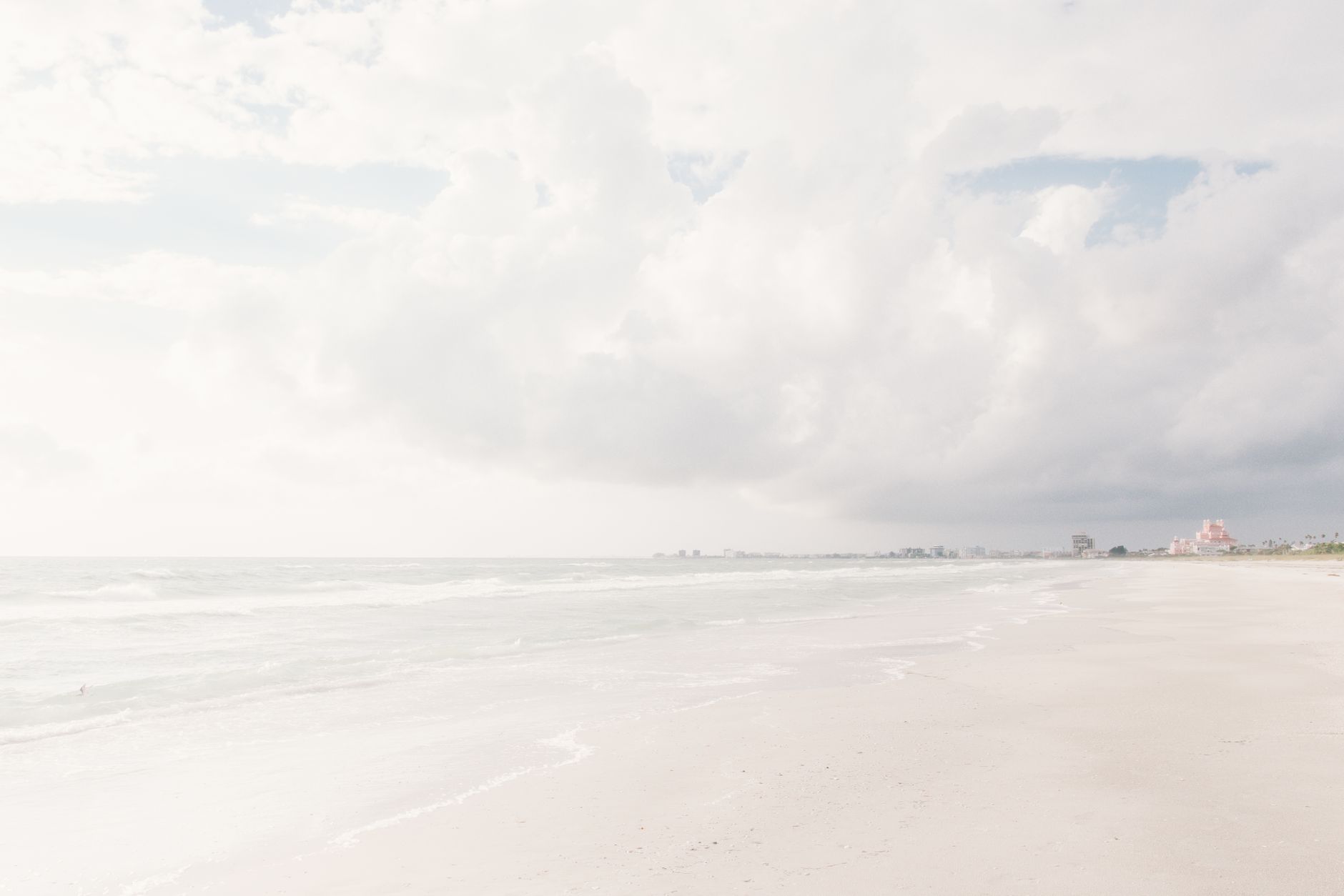
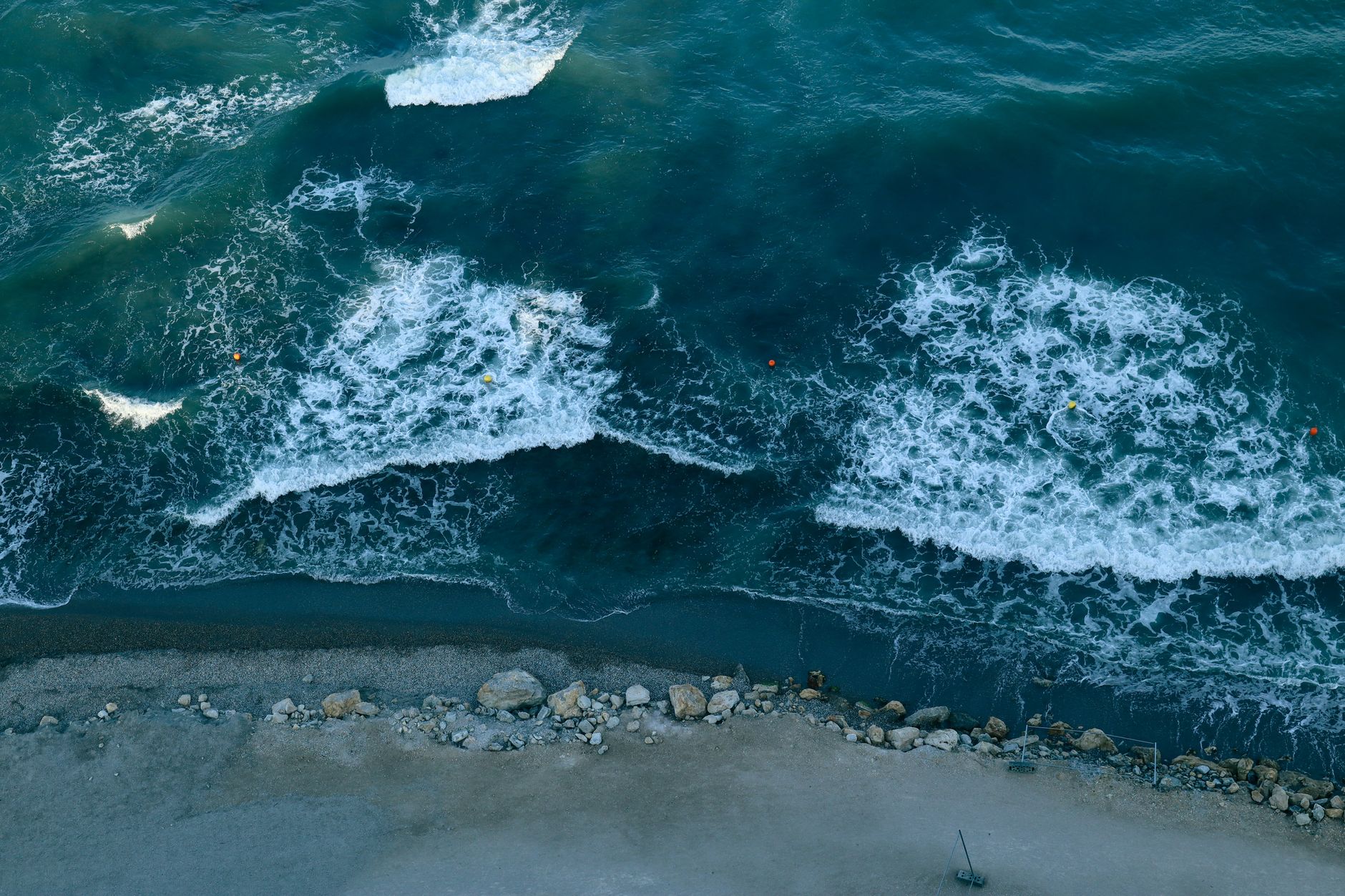
For centuries, this crescent-shaped marine haven has drawn maritime wildlife and coastal wanderers alike. The geographic secret to Akumalβs extraordinary abundance of marine life is its physical geology: a sweeping, white-sand cove protected by a dense, offshore ribbon of the Mesoamerican Barrier Reef System (the Great Mayan Reef), the second-largest barrier reef on Earth. This offshore reef acts as a colossal natural breakwater, dissipating strong Caribbean sea swells and creating a tranquil, shallow coastal lagoon characterized by gentle currents, warm water, and expansive underwater prairies of lush seagrass.
CARIBBEAN SEA SWELLS
β β β
βΌ βΌ βΌ
βββββββββββββββββββββββββββββββ <-- Outer Mesoamerican Barrier Reef (Natural Breakwater)
[ Calm Lagoon Basin ]
βββββββββββββββββββββββββββββββ <-- Protected Seagrass Pastures (Thalassia testudinum)
βββββββββββββββββββββββββββββββ <-- Akumal Bay Shoreline & White Sand Beach
Unlike open-ocean pelagic turtle encounters that demand lengthy offshore boat crossings or rough blue-water drift diving, swimming with turtles in Akumal is an intimate, shore-accessible wildlife interaction. Here, wild Green Sea Turtles (Chelonia mydas), Loggerhead Turtles (Caretta caretta), and Hawksbill Turtles (Eretmochelys imbricata) glide effortlessly through crystal-clear water merely 50 to 150 meters from the sand, hovering over feeding pastures just 1.5 to 3.5 meters deep.
To safeguard this fragile ecosystem against unmanaged overtourism, the Mexican Federal Government instituted strict marine protected area status via CONANP (ComisiΓ³n Nacional de Γreas Naturales Protegidas). Today, entering the buoyed turtle feeding circuits requires an authorized, certified marine guide, mandatory flotation gear, and adherence to strict federal wildlife protection laws. When approached with respect, proper timing, and local logistical know-how, stepping into the turquoise shallows of Akumal Bay delivers one of the most reliable, spellbinding, and ecologically vital marine encounters anywhere in the Americas.

Akumal Bay: Certified Guide Wild Sea Turtle Snorkel Experience
Small group guided snorkel in Akumal's protected CONANP marine zone with Green turtles, reef equipment, and permits.
Marine Biology & Feeding Ecology: Inside the Seagrass Meadow
To snorkel in Akumal Bay without understanding its benthic ecology is to miss the true magic of what is happening beneath your mask. The bay does not attract turtles by chance; it is a meticulously balanced marine diner and nursery engineered by two primary species of marine vegetation: Turtle Grass (Thalassia testudinum) and Manatee Grass (Syringodium filiforme).
SURFACE (Snorkeler with Flotation Vest) ~~~~~~~~~~~~~~~~~~~~~~~~~~~~~~~~~~~~~~~~
β (3-Meter Mandatory Buffer)
βΌ
TURTLE GRAZING ZONE π’ [Green Sea Turtle]
(Depth: 1.5m - 3.5m) β Serrated jaws cropping tender shoot bases
βΌ
BENTHIC SEAGRASS BEDS vvvvvvvvvvvvvvvvvvvvvvvvvvvvvvvvvvvvvvvvvv
Thalassia testudinum (Flat blades)
Syringodium filiforme (Cylindrical blades)
The Seagrass Dynamics: Thalassia testudinum & Syringodium filiforme
The sandy floor of Akumal Bay is dominated by Thalassia testudinum, characterized by wide, ribbon-like green leaves that form dense subterranean rhizome root systems. Interspersed among the turtle grass are slender, cylindrical shoots of Syringodium filiforme. Together, these marine grasses perform critical ecological services:
- Sediment Stabilization: Their extensive underground root-and-rhizome mats bind loose carbonate sand, preventing coastal erosion and keeping the water column crystalline despite tidal movements.
- Carbon Sequestration & Oxygenation: Seagrass meadows are powerful “blue carbon” sinks, generating oxygen and absorbing atmospheric carbon at rates outstripping terrestrial rainforests.
- Primary Food Reservoir: Young and adult Green turtles are specialized herbivores. While hatchling Green turtles are omnivorous, they shift almost entirely to a herbivorous diet as they mature into juveniles (carapace lengths of 20β30 cm).
When you observe a Green turtle in Akumal, you will witness a specialized grazing behavior. Using their distinctive serrated lower jaw and sharp, keratinous beak, the turtle tilts downward at a 45-degree angle, cropping the tender, carbohydrate-rich basal shoots of the grass blades while leaving the fibrous tips. This continuous, natural “mowing” prevents the seagrass blades from accumulating suffocating epiphytic algae, promoting rapid new growth with higher protein contentβa textbook example of mutualistic co-evolution between marine megafauna and benthic flora.
Co-Occurring Marine Species: Rays, Cleaning Stations, and Reef Fish
While sea turtles are the undisputed stars of Akumal, the bayβs protected waters harbor a remarkably diverse tropical reef community that shares this sheltered pasture:
- Southern Stingrays (Hypanus americanus): These magnificent, diamond-shaped elasmobranchs glide silently along the sandy margins of the seagrass beds. Watch closely as they use their pectoral fins to “undulate” against the seabed, blowing jets of water into the sand to unearth buried ghost shrimp, bivalves, and small crabs.
- Spotted Eagle Rays (Aetobatus narinari): Occasionally seen along the deeper edge of the bay near the boat channels and outer reef cuts, these pelagic rays resemble underwater stealth bombers with their white-spotted dark backs and long, whip-like tails.
- Foureye Butterflyfish (Chaetodon capistratus) & French Angelfish (Pomacanthus paru): Darting around the scattered coral heads (bommies) that punctuate the grass flats, these vibrant fish feed on small invertebrates, sponges, and filamentous algae.
- Cleaner Wrasses (Thalassoma bifasciatum): Scattered throughout the bay are coral cleaning stations. Turtles regularly pause their grazing, settle onto a coral pinnacle, and extend their flippers and neck into a state of suspended torpor while juvenile bluehead wrasses and doctorfish pick parasites, dead tissue, and nuisance algae directly from their carapace and soft skin folds.
- Loggerheads (Caretta caretta) & Hawksbills (Eretmochelys imbricata): While Green turtles graze the grass, Loggerheadsβwith their massive, muscular heads and bone-crushing jawsβfrequent the deeper sand trenches seeking conchs, hermit crabs, and spiny lobsters. Hawksbills, instantly identifiable by their sharp, hawk-like beak and overlapping shell scutes, patrol the living coral structures of the outer reef to feed on toxic encrusting sponges.
Bathymetric Depth Profile & Reef Topography
The underwater terrain of Akumal Bay slopes gently from the powdery shoreline out to the barrier reef wall, offering distinct zones of varying depth, light penetration, and marine life concentrations:
SHORELINE SHALLOW MEADOW CLEANING BOMMIES OUTER BARRIER REEF
[0.0m - 1.5m] [1.5m - 3.5m] [4.0m - 7.0m] [8.0m - 18.0m]
β β β β
ποΈ Sand Entry π± Grazing Pastures πͺΈ Coral Heads π Ocean Wall
Calm Wading Green Turtles (95%) Cleaning Stations Hawksbills & Rays
No Coral Stingrays Angelfish & Wrasses Pelagic Drop-off
Depth Breakdown & Snorkeling Terrain:
| Depth Zone | Distance from Shore | Seabed Composition | Dominant Wildlife | Snorkeling Skill Level |
|---|---|---|---|---|
| Zone 1: Shoreline Flats (0.0m β 1.5m) | 0 β 30 meters | Soft calcium carbonate sand, minor pebble patches | Juvenile needlefish, small sand gobies, hermits | Beginner / Child friendly |
| Zone 2: Core Grazing Prairie (1.5m β 3.5m) | 30 β 180 meters | Dense Thalassia & Syringodium seagrass beds | Foraging Green Turtles, Southern Stingrays | Beginner / Guided circuit |
| Zone 3: Patch Reef Pinnacles (3.5m β 7.0m) | 180 β 300 meters | Brain coral, elkhorn remnants, sea fans, bommies | Turtle cleaning stations, French Angelfish, Barracudas | Intermediate / Calm seas |
| Zone 4: Outer Barrier Reef (8.0m β 18.0m) | 300 β 600 meters | Massive spur-and-groove coral formations, sand gutters | Hawksbills, Loggerheads, Nurse Sharks, Eagle Rays | Advanced / Open ocean swell |
Official Akumal Bay Zoning Map (ASCII Diagram)
To manage human impact, Akumal Bay is divided into strictly demarcated maritime sectors under Mexican federal jurisdiction. Understanding these boundaries ensures you stay within lawful, safe zones during your visit:
+==========================================================================================+
| AKUMAL BAY (RIVIERA MAYA) - ZONING MAP |
+==========================================================================================+
| |
| CARIBBEAN SEA (OPEN OCEAN) |
| |
| ~ ~ ~ ~ ~ ~ ~ ~ ~ ~ ~ ~ ~ ~ ~ ~ ~ ~ ~ ~ ~ ~ ~ ~ ~ ~ ~ ~ ~ ~ ~ ~ ~ ~ ~ ~ ~ ~ ~ ~ ~ ~ ~ |
| ====================================================================================== |
| [ZONE 4: OUTER MESOAMERICAN BARRIER REEF CREST (8m - 18m)] |
| (Spur-and-Groove Formations, Scuba Diving, Hawksbills, Rays) |
| ======================================[ REEF CUT ]==================================== |
| β |
| β [NAVIGATION CHANNEL - DIVE BOATS ONLY] |
| βΌ |
| ...................................................................................... |
| : [CORE RESTORATION ZONE] | | [CORE RESTORATION ZONE] : |
| : (NO SWIMMING - CLOSED) | | (CORAL NURSERY - CLOSED) : |
| :..............................| |....................................: |
| | | |
| -------------------------------+ +------------------------------------- |
| | [ZONE 2: CONANP PROTECTED TURTLE CIRCUIT - BUOYED CONSERVATION POLYGON] | |
| | | |
| | * MANDATORY Certified Guide (1:6 Ratio) * MANDATORY Snorkel Flotation Vest | |
| | * 45-Minute Timed Circuit Route * Strictly 3-Meter Wildlife Distance | |
| | * Green Turtles Grazing Seagrass Beds (Depth: 1.5m - 3.5m) | |
| | | |
| -------------------------------------------------------------------------------------- |
| [BUOY MARKER LINE] |
| |
| ~~~~~~~~~~~~~~~~~~~~~~~~~~~~~~~~~~~~~~~~~~~~~~~~~~~~~~~~~~~~~~~~~~~~~~~~~~~~~~~~~~~~~~ |
| | [ZONE 1: PUBLIC RECREATIONAL SWIMMING STRIP (0m - 1.5m Depth)] | |
| | (Free swimming, wading, paddleboarding permitted; no guide required) | |
| ~~~~~~~~~~~~~~~~~~~~~~~~~~~~~~~~~~~~~~~~~~~~~~~~~~~~~~~~~~~~~~~~~~~~~~~~~~~~~~~~~~~~~~ |
| |
| βββββββββββββββββββββββββββββββ[ AKUMAL BEACH SHORELINE ]βββββββββββββββββββββββββββββ |
| [CEA Environmental Center] [Akumal Dive Center] [Lol-Ha Beach Restaurant] |
| |
| βββββββββββββββββββββββββββββββ[ ARCO DE AKUMAL (ARCH) ]ββββββββββββββββββββββββββββββ |
| [Official Ticket Booth: 135 MXN ($6)] [Restrooms & Lockers] [Public Parking] |
| β |
| βΌ (400m Walkway) |
| ββββββββββββββββββββββββββββββββββββββββββββββββββββββββββββββββββββββββββββββββββββββ |
| HIGHWAY 307 (Carretera Federal CancΓΊn - Tulum) & PEDESTRIAN OVERPASS FOOTBRIDGE |
| (Colectivo Drop Point from Playa del Carmen / Tulum - 45 MXN) |
+==========================================================================================+
CONANP Wildlife Protection Rules: The Federal Regulatory Code
In 2016, following years of unmitigated mass tourism that saw hundreds of unguided tourists crowding and harassing turtles, the Mexican Ministry of the Environment (SEMARNAT) and the National Commission of Protected Natural Areas (CONANP) officially declared the marine polygon of Akumal an Γrea de ProtecciΓ³n de Flora y Fauna (Protected Flora and Fauna Area).
All sea turtle species in Mexican territorial waters are classified under NOM-059-SEMARNAT-2010 as species in danger of extinction (P - En Peligro de ExtinciΓ³n). Violations of these federal conservation mandates are punishable by hefty fines and criminal penalties.
CONANP 5-PILLAR WILDLIFE CODE (AKUMAL SANCTUARY)
βββββββββββββββββββββββββββββββββββββββββββββββββββββββββββββββ
β 1. 1:6 Guide-to-Snorkeler Max Ratio β
β 2. Mandatory Certified Guide with Official Photo Credential β
β 3. Mandatory Flotation Lifejacket (No Free-Diving to floor) β
β 4. 45-Minute Maximum Circuit Time Limit β
β 5. Minimum 3-Meter (10-Foot) Distance from All Turtles β
βββββββββββββββββββββββββββββββββββββββββββββββββββββββββββββββ
The 5 Cardinal Rules for Snorkelers:
- Mandatory Certified Guide & Visual Marker: You cannot swim inside the buoyed turtle conservation circuit alone. You must be accompanied by an accredited local guide who has passed CONANP environmental training. The guide must carry an official CONANP ID credential and tow an orange/red surface marker buoy throughout the tour.
- Strict 1:6 Snorkeler-to-Guide Ratio: No guide may escort more than 6 guests simultaneously. If an operator tries to push 8, 10, or 12 snorkelers onto a single guide, refuse the tourβthis violates federal law and degrades the safety of both tourists and wildlife.
- Mandatory Buoyancy Vest (Zero Bottom Diving): All snorkelers in the conservation polygon must wear a fastened flotation lifejacket or high-buoyancy neoprene snorkel vest. Free-diving, duck-diving, or breath-holding down to the bottom is strictly illegal. This rule guarantees that snorkelers remain entirely horizontal at the surface, eliminating the risk of kicking the sensitive benthic seagrass or standing on living coral bommies.
- The 3-Meter (10-Foot) Buffer & Surfacing Right-of-Way: You must maintain a minimum buffer of 3 meters (10 feet) from every turtle at all times. Never swim directly over a turtle or surround an animal. Turtles are air-breathing reptiles that must ascend to the surface every 5 to 20 minutes to breathe; never block a turtleβs vertical path to the surface. If a turtle swims toward you, float calmly and allow your guide to reposition the group.
- Circuit Time Limit: Swimming circuits inside the feeding polygon are capped at 45 minutes. This prevents continuous human presence from stressing individual turtles and gives the animals dedicated rest windows.
Step-by-Step Logistics: Getting There, Tickets, and Scam Prevention
Visiting Akumal independently as an expedition traveler is straightforward, affordable, and rewarding when you know the exact transit steps and local nuances.
[Playa del Carmen / Tulum] ββ(Colectivo 45 MXN)βββΊ [Highway 307 Overpass]
β
(Walk 400m through Arch)
βΌ
[Official Ticket Turnstile] βββ(Pay 135 MXN)βββββββ [Bypass Touts]
β
(Enter Beach / Guide Check-in)
βΌ
[Akumal Bay Turtle Circuit] (45-Min Guided Snorkel)
1. Public Transit via Colectivo (The Smart Traveler’s Route)
The shared white passenger vans (colectivos) that ply Highway 307 (Carretera Federal CancΓΊn-Tulum) provide the fastest, cheapest, and most authentic way to reach Akumal Bay.
- From Playa del Carmen: Head to the colectivo terminal on Calle 2 Norte (between Avenida 15 and Avenida 20) in downtown Playa del Carmen. Board any van displaying “Tulum” on its windshield. Tell the driver “Akumal Playa, por favor”. The fare is 45 MXN (approx. $2.50 USD) per person in cash. Travel time is approximately 30 to 35 minutes.
- From Tulum: Stand along the main strip of Avenida Tulum and flag down any colectivo heading north marked “Playa del Carmen”. Tell the driver “Akumal Playa”. The fare is 45 MXN, and travel time is approximately 20 to 25 minutes.
- The Drop-Off: The driver will pull over onto the shoulder of Highway 307 directly beside the modern pedestrian overpass footbridge (puente peatonal). Disembark, climb the pedestrian bridge to cross over the highway (if arriving from Tulum), and walk down the paved beach access road toward the ocean.
2. Walking Through the White Arch (Arco de Akumal)
From the highway overpass, walk eastward toward the coast for approximately 400 meters (5 to 7 minutes). You will pass beneath the landmark white entrance gate known as the Arco de Akumal.
3. How to Avoid the Aggressive Roadside Touts (“Los Gorriones”)
Along the 400-meter paved walk between Highway 307 and the beach arch, you will encounter aggressive street touts wearing high-visibility neon vests, pseudo-official badges, and carrying clipboards. They frequently attempt to stop pedestrians and vehicles by waving flashlights or shouting:
- “The beach is closed today unless you buy an $80 USD tour right now!”
- “You cannot enter without our private wristband!”
- “Parking is $25 USD here, the beach has no more parking!”
How to handle this: Ignore them completely. Keep walking straight ahead with confidence. These touts (gorriones) are unaffiliated middlemen reselling overpriced tours. The beach is a public maritime zone under Mexican constitutional law, accessed via the official CEA conservation turnstile.
4. Official Entry Fees & Facilities at CEA Checkpoint
At the end of the access road, you will arrive at the official entrance operated by the Centro EcolΓ³gico Akumal (CEA):
- Beach Access Fee: 135 MXN (approx. $6.00 USD) per person. Credit cards and Mexican Pesos are accepted at the official ticket booth. You will receive an official paper wristband and entry receipt.
- Included Facilities: This official fee grants you access to pristine beachfront walking, clean public restrooms, outdoor freshwater rinsing showers, shaded palapas, and lifeguard coverage.
- Lockers & Gear Rentals: Secure locker rentals are available for 100 MXN ($5 USD) with a refundable deposit.
- Official Guided Snorkel Tour: If you did not pre-book an excursion online, you can hire a licensed CONANP cooperative guide directly from the beachfront dive shops (Akumal Dive Center or Akumal Dive Shop) for $35 to $45 USD per person, which includes all gear, the mandatory flotation vest, and the official CONANP conservation bracelet.
5. Self-Driving & Parking Coordinates
If driving a rental car down Highway 307:
- Take the signposted exit for Akumal (Km 104).
- Drive past the roadside touts waving their hands and proceed through the white arch.
- Park in the Official Akumal Public Parking Lot located on the right-hand side near the basketball court and convenience stores. The legitimate parking rate is 50 to 100 MXN ($3.00 to $6.00 USD) for the entire day. Do not pay more than 100 MXN.
The Ultimate Morning Expedition Routine (Minute-by-Minute)
Timing is the single most critical factor determining the quality of your turtle encounter in Akumal. Follow this battle-tested itinerary to experience optimal water clarity and solitude:
06:45 AM βββΊ Depart Playa del Carmen / Tulum via Colectivo or Rental Car
07:20 AM βββΊ Arrive at Highway 307 Overpass; walk through Arco de Akumal
07:40 AM βββΊ Purchase 135 MXN CEA wristband; secure locker; meet certified guide
08:00 AM βββΊ FIRST WAVE WATER ENTRY: Glassy surface, 20m visibility, turtles grazing
08:45 AM βββΊ Complete 45-min circuit; freshwater rinse & beach relaxation
09:15 AM βββΊ Breakfast & fresh coconut at Lol-Ha Restaurant overlooking the bay
09:45 AM βββΊ Depart as mass tour buses arrive from Cancun
Detailed Timeline:
- 06:45 AM β Early Departure: Leave your accommodation in Playa del Carmen or Tulum. The morning air is crisp, and traffic along Highway 307 is minimal.
- 07:20 AM β Arrival at Akumal Overpass: Step off the colectivo. Walk the 400 meters past the sleeping town shops and through the arch while the road is peaceful and devoid of crowds.
- 07:40 AM β Official Check-in & Gear Fitting: Pay the 135 MXN entrance fee at the CEA ticket window. Suit up in your UPF 50+ rashguard, adjust your mask strap, and meet your CONANP guide at the dive shop launch staging area.
- 08:00 AM β First Wave Water Entry (Golden Hour): Step into the calm, glassy turquoise shallows. At 8:00 AM, the morning sun illuminates the seagrass flats with brilliant golden light. The turtles, undisturbed by boat engines or throngs of swimmers, are actively grazing in 2 meters of water. Water visibility regularly reaches 15 to 25 meters.
- 08:45 AM β Circuit Completion & Marine Debrief: Exit the water after your 45-minute circuit. Rinse off at the freshwater showers, grab your dry towel, and relax under the coconut palms.
- 09:15 AM β Post-Swim Breakfast: Walk over to the beachfront patio at Lol-Ha Snack Bar and Restaurant for fresh chilaquiles, tropical fruit platters, and an ice-cold coconut while watching the bay.
- 09:45 AM β Watch the Rush & Make Your Exit: By 9:45 AM, massive 50-passenger air-conditioned tour buses begin unloading hundreds of tourists from Cancun and Riviera Maya all-inclusive resorts. The water rapidly becomes crowded, and visibility drops as hundreds of fins kick up sediment. You are now packing up, relaxed, and ready for your afternoon cenote exploration!
Weather, Water Clarity, Sargassum, and Seasonality
Akumal Bay is a year-round snorkeling destination, but seasonal meteorological shifts influence water temperature, visibility, and wildlife behavior:
MONTH JAN FEB MAR APR MAY JUN JUL AUG SEP OCT NOV DEC
SIGHTING RATE 90% 90% 95% 95% 98% 98% 98% 98% 95% 95% 90% 90%
WATER TEMP 26Β°C 26Β°C 27Β°C 27Β°C 28Β°C 29Β°C 29Β°C 29Β°C 28Β°C 28Β°C 27Β°C 26Β°C
NESTING SEASON -- -- -- -- [====== PEAK TURTLE NESTING ======] -- --
SARGASSUM RISK Low Low Med Med High High High Med Med Low Low Low
1. Turtle Nesting & Hatching Season (May to October)
The summer and early autumn months represent peak biological activity in Akumal. While Green turtles forage in the bay year-round, female Loggerhead and Green turtles haul themselves up onto Akumalβs beaches under cover of darkness between May and September to dig nests and deposit clutches of 100β120 eggs. Hatchlings emerge from July through November, scurrying toward the moonlight on the Caribbean horizon. If staying beachfront, keep exterior lights switched off to prevent disorienting hatchlings.
2. Winter “Nortes” (November to February)
Winter brings pleasant air temperatures (24β27Β°C) and cooler waters (26Β°C). However, occasional cold front weather systems known as “Los Nortes” bring brisk northerly winds and surface chop. During strong Nortes, the Harbor Master (CapitanΓa de Puerto) may hoist the Red Flag (Bandera Roja), temporarily closing the bay to watercraft and snorkeling tours for safety. Always check the morning marine weather forecast before traveling.
3. Sargassum Dynamics & Coral Reef Protection
Like much of the Mexican Caribbean, Akumal can experience influxes of pelagic Sargassum (brown floating macroalgae) during the warmer spring and summer months. However, Akumal Bay enjoys two major advantages over open coastlines:
- Barrier Reef Deflection: The outer barrier reef and natural headlands act as a physical barrier that deflects large offshore sargassum mats away from the inner lagoon.
- Dedicated Beach Cleaning: The local community and resort cooperatives maintain daily morning collection teams to keep the swimming access corridors spotless.
What to Combine with Akumal: The Ultimate Riviera Maya Day Trip
Make the most of your travel day in Quintana Roo by pairing your morning turtle snorkel in Akumal with these top nearby attractions:
[08:00 AM - 10:00 AM] [10:30 AM - 01:00 PM] [02:00 PM - 04:30 PM]
π’ Akumal Bay Snorkel βββΊ π Yal-Ku Lagoon Inlet βββΊ π Cenote Dos Ojos
(Green Sea Turtles) (Brackish Caleta & Fish) (Underground Caverns)
- Yal-Ku Lagoon (Caleta Yal-Ku): Located just 2.5 kilometers north of Akumal Bay (a 5-minute taxi or 30-minute scenic walk through the quiet residential streets of North Akumal), Yal-Ku is a magical, sheltered brackish estuary where freshwater subterranean rivers meet the sea. Snorkel among towering limestone rock formations surrounded by schools of blue tangs, sergeant majors, barracudas, and parrotfish in current-free, mangrove-fringed water.
- Cenote Dos Ojos & Cenote Nicte-Ha: Located 15 minutes south on Highway 307 toward Tulum, these world-renowned limestone sinkholes offer refreshing, crystalline freshwater swimming beneath ancient stalactites and jungle canopiesβthe perfect freshwater rinse after a salty morning in the bay.
Frequently Asked Questions
Can I swim with turtles in Akumal Bay without paying for a guide?
How much does the complete Akumal turtle experience cost?
What is the minimum distance I must maintain from a sea turtle?
Why is a flotation lifejacket mandatory if I am a strong swimmer?
Are underwater cameras and GoPros allowed during the snorkel?
What is the best way to get to Akumal Bay from Playa del Carmen or Tulum?
What kind of sunscreen is allowed in Akumal Bay?
Is swimming with turtles in Akumal safe for children and beginner snorkelers?
Sighting Seasonality & Peak Months in Akumal Bay (Riviera Maya)
Sea turtle encounters at Akumal Bay (Riviera Maya) fluctuate based on water temperature and migratory patterns. The table below illustrates the highest sighting likelihood throughout the calendar year:
Green indicates peak sighting months with optimal water clarity; grey represents shoulder and low-season periods.
Statutory Marine Regulations & Distance Rules
Mandatory Code of Conduct in Akumal Bay (Riviera Maya)
- Minimum 3-meter (10-foot) distance from all sea turtles at all times
- Mandatory CONANP-certified guide accompaniment (maximum ratio of 1 guide to 6 snorkelers)
- Mandatory flotation lifejacket or neoprene snorkeling vest; free diving or duck-diving down to the bottom is strictly prohibited
- Maximum 45-minute timed swimming circuit inside the buoyed conservation polygon
- Strict prohibition of touching, chasing, surrounding, feeding, or flash photography
- Strictly 100% biodegradable, non-nano mineral zinc sunscreen (or UPF rashguards only)
- Mexican Federal Standard NOM-059-SEMARNAT-2010 statutory protection
Estimated Costs & Budget Breakdown
| Experience Type | Average Cost (USD) | Includes |
|---|---|---|
| Park / Beach Entry | $6 | Sanctuary maintenance & environmental conservation fee |
| Guided Shore Snorkel | $35.0 | Certified guide, safety briefing, marine orientation |
| Standard Boat Excursion | $45.0 | Boat ride, snorkel gear, guide, permits, water |
| Private Yacht Charter | $280.0 | Private vessel, customized itinerary, captain & gear |
Verified Local Operators in Akumal Bay (Riviera Maya)
These local operators maintain official marine park licensing and follow strict eco-guidelines:
Akumal Dive Center
PADI Resort #18021 / CONANP Authorizedπ Carretera Cancun-Chetumal Km 104, 77776 Akumal, Tulum, Quintana Roo, Mexico
Akumal Dive Shop
PADI 5-Star IDC #923 / CONANP Authorizedπ Km 104 Carretera Federal CancΓΊn-Tulum, 77710 Akumal, Quintana Roo, Mexico
Recommended Hotel Clusters Near the Turtle Spots
To access the turtle lagoons early in the morning before crowds arrive, consider staying in these nearby neighborhoods:
- Akumal Bay Beach & Wellness Resort Area β Prime beachfront access and quick transfer to snorkel launch points.
- Half Moon Bay Condominiums β Prime beachfront access and quick transfer to snorkel launch points.
- Secrets Akumal Riviera Maya Enclave β Prime beachfront access and quick transfer to snorkel launch points.
Recommended Gear Checklist for Akumal Bay (Riviera Maya)
- Reef-safe non-nano zinc sunscreen β Mandatory or strongly recommended for marine protection and comfort.
- Anti-fog high-definition snorkel mask β Mandatory or strongly recommended for marine protection and comfort.
- UPF 50+ long-sleeve UV rashguard β Mandatory or strongly recommended for marine protection and comfort.
- Neoprene snorkeling swim vest β Mandatory or strongly recommended for marine protection and comfort.