

Overview: The Living Evolutionary Laboratory of Isabela Island
Formed by the violent coalescence of six massive volcanic shield cones along the Nazca tectonic plate, Isabela Island (-0.9556° S, -90.9658° W) is the largest and most volcanically active island in the Galapagos archipelago. While terrestrial Isabela is famous for giant tortoises and smoking calderas, its submerged coastal margins harbor the most extraordinary, prehistoric marine biodiversity on Earth.
Two locations on Isabela represent the zenith of wild sea turtle encounters:
- Los Túneles (Cabo Rosa): Located 1 hour by boat southwest of Puerto Villamil, this geological wonder was forged thousands of years ago when molten basalt lava flows collided with the cold Pacific Ocean. The collapsing lava crust created a labyrinth of natural rock bridges, submerged arches, and crystalline turquoise tidepools.
- Concha de Perla: A serene, natural mangrove lagoon situated right beside the Puerto Villamil boat dock, accessible for free from shore via a wooden boardwalk through red mangroves.
Inside these sheltered volcanic labyrinths, travelers encounter the Eastern Pacific Black Sea Turtle —classified scientifically as the distinct subspecies Chelonia mydas agassizii (or Galapagos Green Turtle). These prehistoric reptiles share their crystal-clear tidepools with endemic Galapagos Penguins (Spheniscus mendiculus), Marine Iguanas (Amblyrhynchus cristatus) grazing on underwater algae, playful Galapagos Sea Lions (Zalophus wollebaeki), and resting Whitetip Reef Sharks (Triaenodon obesus).
With an independently verified 98% sighting probability year-round, snorkeling at Los Túneles and Concha de Perla provides a surreal, intimate encounter with wildlife that exhibits zero fear of human presence.

Galapagos: Isabela Island Los Túneles Snorkeling Safari
Top-rated expedition to Los Túneles with certified DPNG naturalist guide, sea turtles, penguins, sharks, full wetsuit, gear, and lunch.
Marine Ecology: The Black Turtle & The Volcanic Food Web
The marine ecosystems surrounding Isabela are fueled by the Cromwell Current (Equatorial Undercurrent) and the Humboldt Current, which bring cold, nutrient-rich upwellings from the deep Pacific abyss.
   [ Surface Water (Lava Lagoon Basin) ] ~~~~~~~~~~~~~~~~~~~~~~~~~~~~~~~~~~~~~~~~~~~~
                                         │ (2-Meter Mandatory DPNG Wildlife Buffer)
                                         ▼
   [ Submerged Lava Arches & Caves ]    🐢 [Pacific Black Turtle (Chelonia mydas agassizii)]
   (Depth: 1.5m - 4.5m)                  │ Feeding on Ulva & Red Turf Algae
                                         ▼
   [ Basalt Rock & White Sand Floor ]   vvvvvvvvvvvvvvvvvvvvvvvvvvvvvvvvvvvvvvvvvvvv
                                        Marine Iguanas, Whitetip Sharks, Sea Lions
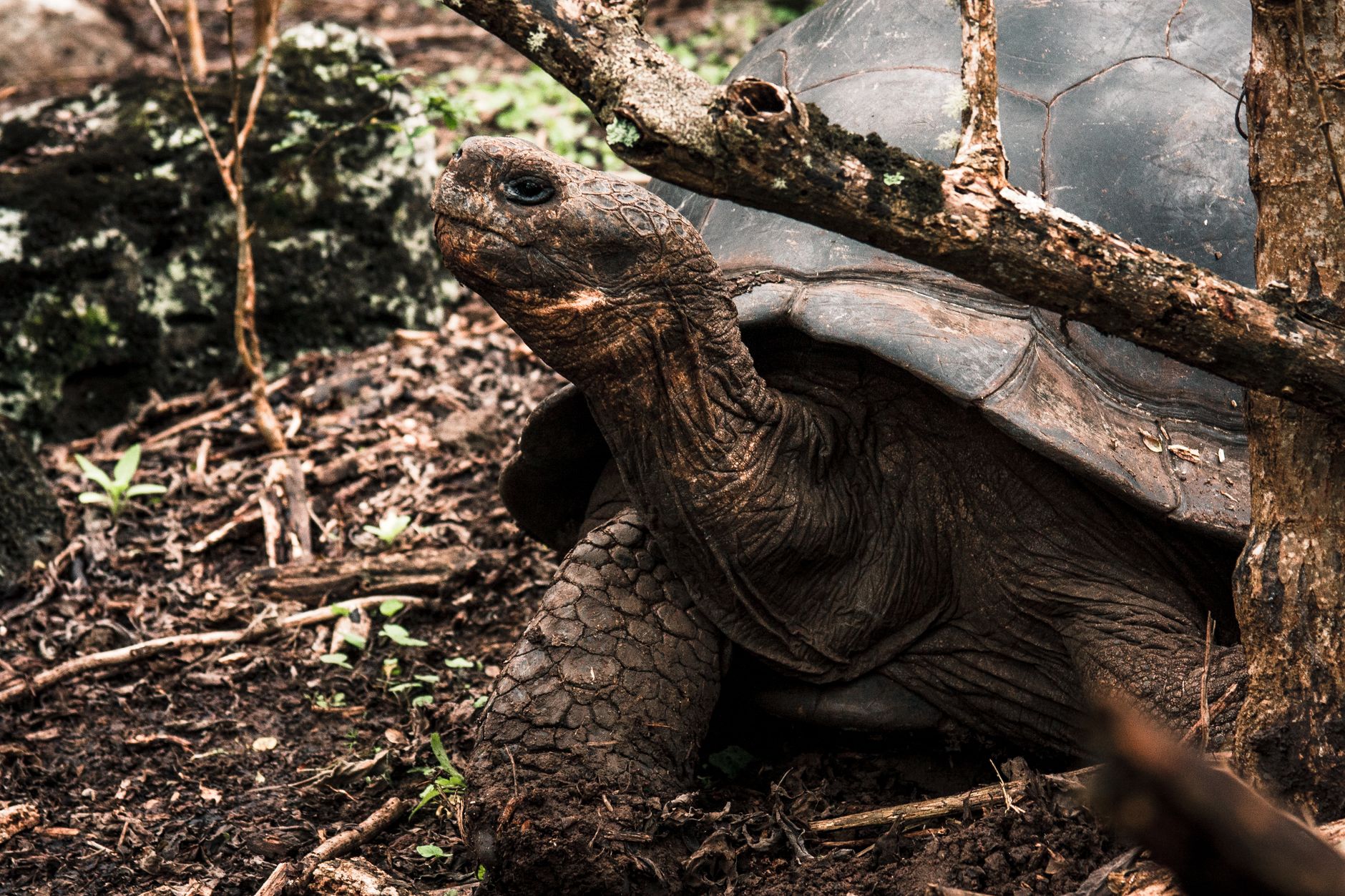
The Unique Galapagos Black Turtle (Chelonia mydas agassizii)
The sea turtles of the Galapagos archipelago possess distinctive morphological and behavioral traits that set them apart from their Caribbean counterparts:
- Distinctive Shell & Pigmentation: Characterized by a steeply pitched, highly vaulted, teardrop-shaped carapace and rich melanistic dark-gray to jet-black pigmentation.
- Dietary Specialization: In the sheltered lava tunnels of Isabela, they graze upon green sea lettuce (Ulva lactuca), red algae (Bostrychia), and mangrove leaves.
- Docile Temperament: Because the Galapagos have been protected under strict international conservation treaties, Galapagos turtles display extraordinary calm around snorkelers.
The Multi-Species Amphitheater
What makes Los Túneles entirely unique on Earth is the surreal coexistence of species in a single shallow pool:
- Marine Iguanas (Amblyrhynchus cristatus): The world’s only sea-going lizard, diving 2 to 5 meters to graze on algae before hauling out onto sunny lava arches to warm their cold-blooded bodies.
- Galapagos Penguins (Spheniscus mendiculus): The only wild penguin species found north of the equator, darting through the water like underwater torpedoes chasing small fish.
- Whitetip Reef Sharks (Tintoreras - Triaenodon obesus): Sleeping peacefully in groups of 5 to 15 under submerged lava bridges.
- Golden Cownose Rays (Rhinoptera steindachneri) & Eagle Rays.
Bathymetric Depth Profile & Lava Labyrinth Topography
LAVA ARCH ENTRANCE       SUBMERGED SWIM-THROUGH   RESTING LAVA CAVERNS     OUTER SURF BREAKER LINE
[1.0m - 2.5m]            [2.5m - 4.5m]            [3.0m - 6.0m]            [1.0m - 3.0m Reef Wall]
      │                        │                        │                        │
  🪨 Basalt Rock Gates     🏛️ Natural Lava Arches   🪨 Sleeping Caves        🌊 Ocean Swell Barrier
    Calm Glassy Shallows     Green Turtles Grazing    Whitetip Sharks (5-12)   ⚠️ HEAVY OCEAN SURF
    Penguins Darting         Marine Iguanas           Golden Cownose Rays      DO NOT CROSS
Zone Breakdown:
| Zone Name | Depth Range | Geological Structure | Dominant Wildlife | Snorkel Experience |
|---|---|---|---|---|
| Inner Lagoon Shallower Basins | 1.0 – 2.5 m (3 – 8 ft) | Mirror-calm tidepools surrounded by cactus-topped basalt lava bridges | Galapagos Green Turtles, Galapagos Penguins, Blue-footed Boobies nesting above | Prime Snorkel Zone. Astonishing clarity; crystal water with no waves or currents. |
| Submerged Lava Tunnels | 2.5 – 4.5 m (8 – 15 ft) | Submarine basalt swim-throughs and overhangs | Foraging Green Turtles, Marine Iguanas grazing on algae, Seahorses | Surreal underwater architecture; floating through volcanic arches with turtles gliding beside you. |
| Shark Resting Caverns | 3.0 – 6.0 m (10 – 20 ft) | Narrow, deep volcanic fissures with sandy white floors | Groups of 6 to 12 docile Whitetip Reef Sharks resting motionlessly | Snorkelers float on the surface looking straight down into clear caverns at sleeping sharks. |
| Concha de Perla (Puerto Villamil) | 1.5 – 4.0 m (5 – 13 ft) | Sheltered natural mangrove cove connected to the ocean | Resident Green Turtles, playful Galapagos Sea Lions, Eagle Rays | Free Shore Snorkel. Easy wooden dock entry just 5 minutes from town. |
ASCII Lava Tunnel & Lagoon Schematic: Los Túneles
+=============================================================================================+
|                      LOS TÚNELES (ISABELA ISLAND, GALAPAGOS) - MAP                          |
+=============================================================================================+
|                                                                                             |
|                              PACIFIC OCEAN (OPEN SWELL & WAVES)                             |
|                                                                                             |
|   ~ ~ ~ ~ ~ ~ ~ ~ ~ ~ ~ ~ ~ ~ ~ ~ ~ ~ ~ ~ ~ ~ ~ ~ ~ ~ ~ ~ ~ ~ ~ ~ ~ ~ ~ ~ ~ ~ ~ ~ ~ ~ ~ ~   |
|   =======================================================================================   |
|   [ OUTER LAVA ROCK BREAKWATER - DRAMATIC PACIFIC BREAKERS ]                                |
|   ==================[ BOAT ACCESS CHANNEL (EXPERIENCED CAPTAIN ONLY) ]===================   |
|                                             │                                               |
|                                             ▼                                               |
|   .......................................................................................   |
|   :  [LAVA ARCH WALKING TRAIL]    |   [CRYSTALLINE LAVA POOL (2.5m)]  |  [SHARK CAVE ZONE]  :   |
|   :  🦤 (Blue-Footed Booby Nests) |   🐢 [Galapagos Black Turtles]    |  🦈 (Whitetip Sharks:   |
|   :  🌵 (Opuntia Cactus Groves)   |   🐧 (Galapagos Penguins Diving)  |     5-10 resting)   :   |
|   :...............................|...................................|.....................:   |
|                                   |                                   |                     |
|   --------------------------------+                                   +------------------   |
|   |         [CORE SNORKELING LABYRINTH (Depth: 1.5m to 4.0m)]                           |   |
|   |         * Escorted by licensed DPNG Level III Naturalist Guide                      |   |
|   |         * Maintain strict 2-meter buffer from all wildlife                          |   |
|   ---------------------------------------------------------------------------------------   |
|                                                                                             |
|   ░░░░░░░░░░░░░░░░░░░░░░░░░░░░░░░░░░░░░░░░░░░░░░░░░░░░░░░░░░░░░░░░░░░░░░░░░░░░░░░░░░░░░░░   |
|   |                 [CALM TURQUOISE LAGOON BOAT MOORING BASIN]                          |   |
|   |                 (Tour boat drops anchor in mirror-calm volcanic pocket)             |   |
|   ░░░░░░░░░░░░░░░░░░░░░░░░░░░░░░░░░░░░░░░░░░░░░░░░░░░░░░░░░░░░░░░░░░░░░░░░░░░░░░░░░░░░░░░   |
|                                                                                             |
|   ═══════════════════════════[ ISABELA SOUTHWEST COASTLINE ]════════════════════════════════   |
|   [Puerto Villamil Port] ◄────────(45-minute scenic boat run)────────► [Los Túneles / Rosa] |
+=============================================================================================+
Galapagos National Park Directorate (DPNG) Rules & Legal Code
All activities within Isabela Island are regulated by the Galapagos National Park Directorate (DPNG) and the Special Law for Galapagos (LOREG).
       GALAPAGOS NATIONAL PARK 5-PILLAR CODE
 ┌─────────────────────────────────────────────────────────────┐
 │ 1. 2-Meter (6-Foot) Mandatory Standoff Buffer from Wildlife │
 │ 2. Mandatory Licensed DPNG Naturalist Guide for Los Túneles │
 │ 3. Strictly ZERO Flash Photography or Drones                │
 │ 4. Zero Touching, Pursuing, or Harassing Any Animal         │
 │ 5. Biodegradable Mineral Sunscreen Only (Or Wetsuits)       │
 └─────────────────────────────────────────────────────────────┘
Critical Regulations:
- Mandatory Naturalist Guide: Entering Los Túneles without a certified DPNG Level III Naturalist Guide is strictly illegal. The guide enforces park rules and ensures tourist safety.
- The 2-Meter (6-Foot) Rule: You must maintain at least 2 meters of distance from all sea turtles, marine iguanas, penguins, and sea lions at all times.
- No Flash or Drones: Flash photography blinds marine reptiles and disturbs nesting boobies. Recreational drones are completely banned in the Galapagos National Park.
- Sunscreen Protection: In enclosed lava tidepools, chemical sunscreens cause toxic oily films that harm algae and juvenile fish. Snorkel in a full-body 3mm wetsuit or UPF 50+ rashguard to minimize sunscreen usage.
Step-by-Step Logistics: Reaching Isabela Island
[ Baltra Airport (GPS) ] ──(Bus & Ferry 45 min)──► [ Santa Cruz (Puerto Ayora) ]
                                                              │
                                            (Public Speedboat Ferry - 2 hours / $35)
                                                              ▼
[ Puerto Villamil Pier (Isabela) ] ◄──(Pay $25 Municipal Fee)─ [ Arrive on Isabela ]
              │
    (Depart on Los Túneles Tour)
              ▼
    [ Volcanic Lava Tunnels ] (World's Top Snorkel)
1. Inter-Island Transit to Isabela
- Public Speedboat Ferries (Lanchas): Depart daily between Puerto Ayora (Santa Cruz) and Puerto Villamil (Isabela). Two departures daily: 07:00 AM and 03:00 PM. Transit time is 2 hours across open ocean; tickets cost $30–$35 USD each way.
- Inter-Island Flights (Emetebe / Fly Galapagos): 9-passenger twin-engine planes fly between Baltra/San Cristobal and Isabela airstrip (20 min flight, approx. $150–$180 USD).
2. Entry Fees on Isabela Island
- Galapagos National Park Fee: $200.00 USD per adult international visitor (effective 2024/2026), paid in cash upon arrival at Baltra or San Cristobal airport.
- Isabela Municipal Entry Tax: $25.00 USD per foreign visitor, paid in cash at the Puerto Villamil passenger pier.
The Ultimate Isabela Morning Expedition Routine
Puerto Villamil Check-in & Wetsuit Fitting
Meet your DPNG naturalist guide at the tour office on Avenida Antonio Gil. Fit your 3mm full wetsuit, panoramic snorkel mask , snorkel, and fins.Scenic Coastal Boat Ride to Los Túneles
Board the custom power launch. Cruise 45 minutes along Isabela’s southern coastline, spotting giant manta rays and pods of wild bottlenose dolphins.Lava Arch Walking Tour & Blue-Footed Boobies
Disembark onto the dry basalt bridges. Walk among Opuntia cacti, observing nesting Blue-footed Boobies performing their famous mating dance.First Snorkel: The Black Turtle Labyrinth
Slip into the glassy 2.5-meter lava channels. Float alongside 5 to 10 wild Galapagos Green Turtles grazing on sea lettuce in water clear as liquid glass.Second Snorkel: Shark Caverns & Penguins
Swim through volcanic arches. Look down upon sleeping Whitetip Reef Sharks and watch endemic Galapagos Penguins diving for sardines.Return to Puerto Villamil & Beachfront Lunch
Cruise back to the dock for a warm lunch at local restaurants along Puerto Villamil’s palm-fringed sand streets.Verified Local Tour Operators & Dive Centers
| Operator | Base Location | Vessel / Trip Type | Highlights & Specialties | Contact & Booking |
|---|---|---|---|---|
| Pahoehoe Galapagos | Av. 16 de Marzo, Isabela | Custom 36ft twin-engine launch | Original pioneer of Los Túneles; top-tier DPNG Level III bilingual naturalists. | pahoehoegalapagos.com / +593 5 252-9124 |
| Los Tuneles Tour Operators | Malecón C. Antonio Gil | 34ft covered speedboats | High-value eco-tours with premium wetsuits, underwater photos, and hot snacks. | lostunelesgalapagos.com / +593 9 9432-6578 |
| Isabela Dive Center | Calle Las Fragatas, Isabela | Certified dive vessels | PADI Dive Resort; offers scuba trips to Tortuga Island & snorkel safaris. | isabeladivecenter.com / +593 5 252-9230 |
| Viator Vetted Los Túneles Safari | Puerto Villamil Pier | Custom 35ft power launch | Bestseller including gear, 3mm wetsuit, DPNG guide, lunch, and photos. | Book via Viator |
Seasonal Marine Almanac & Water Temperatures
MONTH          JAN   FEB   MAR   APR   MAY   JUN   JUL   AUG   SEP   OCT   NOV   DEC
SIGHTING RATE   98%   98%   98%   98%   98%   98%   98%   98%   98%   98%   98%   98%
WATER TEMP     24°C  25°C  26°C  26°C  24°C  22°C  21°C  20°C  20°C  21°C  22°C  23°C
VISIBILITY     20m   20m   25m   25m   20m   15m   15m   12m   12m   15m   18m   20m
SEASONS        [==== WARM & RAINY SEASON ====]    [======= COOL HUMBOLDT / GARÚA SEASON =======]
Warm Season (January through May) — Warm Waters & Peak Visibility
- Water Temperature: 24°C – 26°C (75°F – 79°F).
- Visibility: 20 – 25+ meters.
- Conditions: Calmer seas, sunny skies, and warm water where a 2mm shorty or rashguard is sufficient.
Cool “Garúa” Season (June through December) — High Marine Activity
- Water Temperature: 20°C – 22°C (68°F – 72°F).
- Wildlife Bonus: Cold Humboldt upwellings supercharge plankton growth, attracting maximum concentrations of penguins, sea lions, and feeding turtles. A full 3mm or 5mm wetsuit is essential.
Red Flags & What to Avoid at Galapagos (Isabela)
Red Flags & What to Avoid at Los Túneles & Concha de Perla (Isabela Island, Galapagos)
Independent critique, common tourist traps, and local marine compliance advisories.
Under strict Galapagos National Park Directorate (GNPD) rules, exploring Los Túneles or offshore lava reefs without a licensed GNPD Level III Naturalist Guide is strictly illegal. Independent dinghies or kayaks are strictly forbidden in marine reserve zones. Only book certified local operators departing from Puerto Villamil.
Water temperatures between July and November can plunge to 18°C (64°F) due to Humboldt upwelling. Snorkeling in a standard swim suit causes hypothermia within 20 minutes, cutting your tour short. Always insist on a 3mm or 5mm full neoprene wetsuit (included in reputable operator packages).
Boat navigation through the outer barrier reefs requires extreme skill as Pacific swells crash over volcanic lava arches. Tour boats must time swell sets precisely to enter the labyrinth. Never book low-budget unlicensed panga boats lacking twin four-stroke engines and GPS navigation.
Park rules enforce an absolute 2-meter minimum perimeter from green sea turtles, sea lions, and marine iguanas. Underwater strobes and flash photography are strictly banned to prevent blinding marine wildlife. Naturalists report repeat violators to park authorities.
Frequently Asked Questions & Direct Choice Field Guide
Guided Tour vs Independent Shore Snorkeling in Galapagos (Isabela) — Which should you book?
Book a guided excursion (from $40 USD) if you want guaranteed encounters, boat access to outer reefs, certified safety skippers, and high-quality snorkel gear; choose independent shore snorkeling ($200.00 USD) only if you are an experienced ocean swimmer equipped with your own reef-safe mineral sunscreen and comfortable navigating local shore breaks and current corridors.
Guided tours provide dedicated spotters who know current turtle feeding clusters, whereas independent snorkelers often waste hours searching murky shallows.
Early Morning vs Midday Snorkeling — When is turtle sighting probability highest?
Go during Morning High Tide 08:00-11:30, which delivers an optimal 98% sighting probability and crystal 10–25m underwater visibility before offshore trade winds churn bottom sediments and tourist crowds arrive.
After 11:00 AM, heavy boat traffic and hundreds of recreational swimmers stir up fine silt, reducing underwater clarity by up to 50% and driving grazing turtles into deeper offshore trenches.
Peak Season (January, February, March) vs Shoulder Months — When are water conditions best?
Visit during January, February, March for peak feeding activity, minimal rainfall, and warm sea temperatures ranging from 20°C to 26°C.
While resident sea turtles inhabit Galapagos (Isabela) year-round, booking morning excursions during peak months ensures calm surface conditions, though reserving tour slots 2–3 weeks ahead is essential to avoid sold-out capacity limits.
What are the statutory wildlife distance rules and legal penalties in Ecuador?
Swimmers must maintain a strict minimum 3-meter (10-foot) buffer from all sea turtles at all times under Ecuador marine conservation laws.
Touching, riding, pursuing, or cornering a turtle is a serious wildlife violation carrying steep statutory fines, immediate ejection from the marine sanctuary, and potential criminal prosecution. Always float neutrally with your arms crossed across your chest and allow turtles an unobstructed 45-degree surfacing corridor to breathe.
Where do Galapagos (Isabela) turtle tours depart from, and how do you reach the reef?
Most verified excursions depart directly from local harbor docks or designated beach kiosks near GPS airport, with reef access centered around GPS coordinates -0.9556, -90.9658.
If traveling independently by rental car or taxi, arrive at least 30 minutes before your scheduled departure to secure parking and complete mandatory marine sanctuary registration.