

Overview: The Rainforest Coral Caye of Cairns
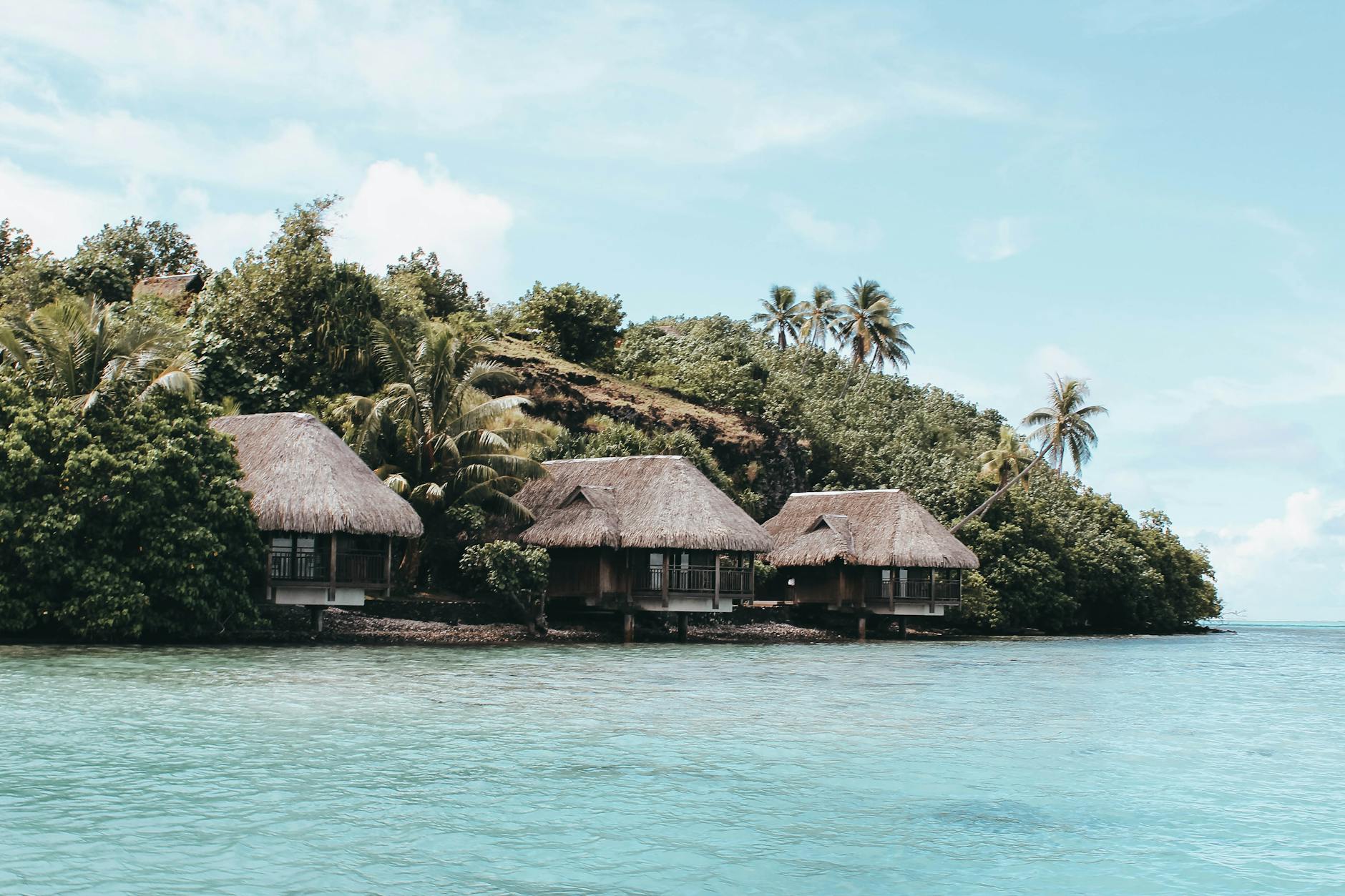
Located just 27 kilometers (15 nautical miles) offshore from Cairns in Tropical North Queensland, Green Island (-16.7600° S, 145.9720° E) is a unique 6,000-year-old coral caye that holds the rare distinction of being the only coral caye on the Great Barrier Reef that supports a dense, lush rainforest ecosystem.
Surrounded by over 710 hectares of protected coral reef and expansive shallow seagrass pastures within the Great Barrier Reef Marine Park, Green Island is world-famous as one of the most accessible and reliable destinations for swimming with wild sea turtles in Australia. A swift 45-minute catamaran ride from the Cairns Reef Fleet Terminal transports travelers directly from the city into a turquoise wonderland populated by hundreds of foraging Green Sea Turtles (Chelonia mydas) and resident Hawksbill Turtles (Eretmochelys imbricata) .
Unlike offshore outer-reef pontoons that drop into deep pelagic water, Green Island provides a sheltered, shallow lagoon with gentle sandy-bottom entries. Snorkelers of all experience levels—from first-timers and families with young children to seasoned free-divers—can slip into 1.5 to 3 meters of calm water and observe wild sea turtles grazing effortlessly on tender seagrasses mere meters from the beach.
Cairns: Green Island Fast Catamaran Snorkel & Reef Day Trip
High-speed catamaran cruise to Green Island with full snorkel gear hire, glass-bottom boat tour, rainforest boardwalk, and turtle spotting.
Marine Ecology: The Seagrass Dining Room of Green Island
The primary reason sea turtles congregate in such extraordinary numbers around Green Island is the presence of extensive, nutrient-rich seagrass meadows stretching across the sheltered leeward side of the caye.
                    [ GREEN ISLAND BENTHIC ECOSYSTEM ]
                                     │
       ┌─────────────────────────────┴─────────────────────────────┐
       ▼                                                           ▼
 [ THE SEAGRASS PASTURES ]                                  [ THE REEF WALL ]
  Depth: 1.0m – 3.5m (Sandy Shallows)                       Depth: 4m – 14m (Fringing Reef)
  ░░░░░░░░░░░░░░░░░░░░░░░░░░░░░░░░░░                        ══════════════════════════════
  Primary Species:                                          Primary Species:
  - Green Sea Turtles (Chelonia mydas)                      - Hawksbill Turtles (Eretmochelys)
  - Halodule uninervis & Halophila ovalis                   - Staghorn & Porites Coral Bommies
  - Juvenile Giant Trevally & Stingrays                     - Bluestreak Cleaner Wrasses
1. Green Sea Turtle (Chelonia mydas) Foraging Dynamics
Green Island serves as a critical nursery and developmental habitat for juvenile and sub-adult Green turtles. The shallow sandy beds are blanketed by three primary species of seagrass: Narrowleaf Seagrass (Halodule uninervis), Paddle Weed (Halophila ovalis), and Ribbon Weed (Cymodocea serrulata).
Green turtles spend hours methodically cropping the tender, carbohydrate-rich basal shoots of these marine grasses. Using their serrated lower beaks, they create distinct grazing trails across the sandy seafloor. This constant grazing stimulates new succulent shoot growth with higher protein content, creating a mutually beneficial relationship between the herbivorous turtles and the marine meadows.
2. Hawksbill Sea Turtle (Eretmochelys imbricata) Dynamics
While Green turtles dominate the seagrass flats, Hawksbill turtles frequent the deeper coral garden slopes on the island’s eastern and southern fringes. Their narrow beaks allow them to reach deep into crevices between branching Acropora and massive Porites coral heads to harvest encrusting sponges and soft colonial anemones.
3. Co-Occurring Lagoon Megafauna
The sheltered waters of Green Island host a rich tropical community:
- Southern Blue-Spotted Lagoon Rays (Taeniura lymma): Resting on the sand patches between seagrass beds.
- Blacktip Reef Sharks (Carcharhinus melanopterus): Non-aggressive juveniles patrolling the shallows at high tide.
- Giant Clams (Tridacna gigas): Large specimens displaying electric blue and emerald-green mantles in 2 to 4 meters of water.
- Parrotfish & Surgeonfish: Grazing alongside the turtles to prevent algae from overgrowing the coral heads.
Reef Bathymetry & Swim Map
                  [ GREEN ISLAND JETTY & HARBOR ]
                                │
   ┌────────────────────────────┼────────────────────────────┐
   ▼ (Walk in from Beach)       ▼ (Lagoon Channel)           ▼ (Outer Wall)
[ RESORT BEACH SHALLOWS ]    [ SEAGRASS PASTURES ]        [ REEF DROP-OFF ]
 Depth: 0.5m – 2.0m           Depth: 1.5m – 3.5m           Depth: 4.0m – 12.0m
 Calm sand, families,        High turtle density,         Hawksbills, hard corals,
 beginner snorkelers         grazing Green turtles        reef fish schools
| Zone Name | Depth Profile | Bottom Type | Marine Life Highlights |
|---|---|---|---|
| Jetty Seagrass Shallows | 1.5 – 3.0 m | Carbonate sand & lush seagrass beds | Multiple Green turtles feeding continuously, batfish schools, stingrays. |
| Resort Beach Snorkel Area | 1.0 – 2.5 m | Fine white coral sand with coral clusters | Gentle entry for beginners, schooling damselfish, juvenile parrotfish. |
| The Outer Reef Crest | 3.5 – 8.0 m | Sprawling staghorn thickets & plate corals | Hawksbill turtles foraging, giant clams, sweetlips, anemonefish colonies. |
| Deep Coral Drop-Off | 8.0 – 14.0 m | Sloping coral wall into open Great Barrier channel | Pelagic gamefish, cruising reef sharks, large batfish schools. |
Logistics: Traveling from Cairns to Green Island
Reaching Green Island is remarkably seamless, with multiple high-speed catamaran departures departing daily from the Cairns Reef Fleet Terminal located at 1 Spence Street, Cairns.
                 [ CAIRNS REEF FLEET TERMINAL ]
                                │
      ┌─────────────────────────┴─────────────────────────┐
      ▼ (Great Adventures - 45 min)                       ▼ (Big Cat - 45 min)
 [ Fast Air-Conditioned Catamaran ]                  [ Scenic Cruise Vessel ]
      │                                                   │
      └─────────────────────────┬─────────────────────────┘
                                ▼
                   [ Green Island Main Jetty ]
Ferry Schedules & Options
- Departure Times: Morning departures run at 08:30 AM, 09:00 AM, and 10:30 AM, returning to Cairns by 03:00 PM or 05:00 PM.
- Transit Duration: 45 minutes across sheltered waters within the Great Barrier Reef lagoon.
- Island Amenities: Freshwater showers, changing rooms, dive shop, restaurant, bar, shaded rainforest boardwalks, and locker rentals are all available on the island.
Expedition Routine: A Full Day at Green Island
Check-in at Cairns Reef Fleet Terminal
Arrive at the Marlin Marina in central Cairns. Check in at the Great Adventures or Big Cat counter, receive your boarding pass, and board the fast catamaran.Arrival & Gear Collection
Disembark at the Green Island Jetty. Head to the Island Dive Shop to collect your fitted mask, snorkel, fins, and Lycra stinger suit.Morning Seagrass Snorkel (Prime Turtle Window)
Walk down the beach to the designated snorkel area south of the jetty. Float over the vibrant seagrass beds to observe 4 to 8 wild Green turtles grazing quietly in 2 meters of crystal-clear water.Buffet Lunch & Rainforest Walk
Enjoy lunch at the Canopy Grill, then take a leisurely 20-minute self-guided interpretive walk through the island’s unique national park rainforest trail.Glass-Bottom Boat / Outer Reef Wall Snorkel
Join the glass-bottom boat tour to view the deeper outer coral gardens, or snorkel the reef drop-off to spot foraging Hawksbill turtles and giant clams.Return Cruise to Cairns
Board the afternoon catamaran for the scenic return cruise back to Cairns Marina, taking in the mountain vistas of the rainforest ranges.GBRMPA Regulations & Marine Wildlife Ethics
Green Island is strictly protected under the Great Barrier Reef Marine Park Act 1975 and Queensland’s Nature Conservation Act 1992.
Parks Australia Commonwealth Marine Park Guidelines:
- 3-meter standoff rule : All swimmers and snorkelers must remain at least 3 meters away from turtles in the water.
- Zero Touching or Harassment: Touching, restraining, riding, or chasing a turtle is illegal and subject to on-the-spot GBRMPA fines starting at $2,220 AUD.
- Clear Ascent Corridors: Never hover directly above a turtle on the seabed. Turtles must have an unobstructed path to the surface to breathe air.
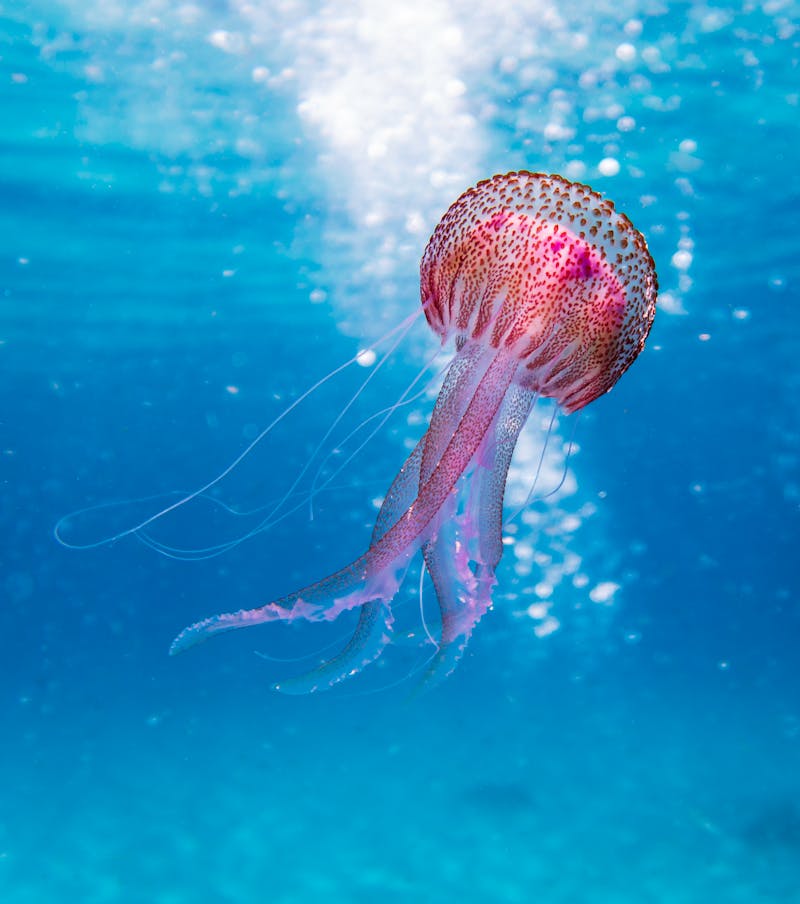
- Stinger Safety (Nov–May): In Tropical North Queensland, wear a full-length Lycra stinger suit between November and May to protect against Irukandji and Box Jellyfish.
- Reef-Safe Sun Protection: Use mineral zinc sunscreen to avoid releasing toxic chemicals into the shallow coral lagoon.
Verified Local Operators Comparison
| Operator | Departure Base | Key Highlights | Vessel & Inclusions | Booking Link |
|---|---|---|---|---|
| Great Adventures Cairns | Cairns Reef Fleet Terminal | Fastest catamaran transfers, optional Outer Reef pontoon combo | 35m luxury high-speed catamaran, full gear hire, glass-bottom boat | greatadventures.com.au / +61 7 4044 9944 |
| Big Cat Green Island Cruises | Cairns Reef Fleet Terminal | Budget-friendly full-day and half-day island packages | Spacious cruise catamarans Big Cat & Reef Rocket, buffet lunch options | greenislandcruises.com / +61 7 4051 0444 |
| GetYourGuide Vetted Catamaran | Cairns Marlin Marina | Top-rated all-inclusive package with instant digital voucher | Snorkel gear, glass-bottom tour, 24h free cancellation policy | Book on GetYourGuide |
Seasonal Calendar & Underwater Conditions
Month       Jan   Feb   Mar   Apr   May   Jun   Jul   Aug   Sep   Oct   Nov   Dec
Water (°C)   29    29    28    27    25    24    24    24    25    26    28    29
Visibility  12m   10m   15m   20m   25m   25m   25m   25m   22m   20m   18m   15m
Turtles     ███   ███   ███   ███   ███   ███   ███   ███   ███   ███   ███   ███
Calm Seas    ░░    ░░    ▒▒    ██    ██    ██    ██    ██    ██    ██    ▒▒    ░░
Stinger Suit ███   ███   ███   ███   ██                                     ██   ███
- Winter & Spring (May to November): The absolute best time to visit Cairns. Dry season weather, calm winds, warm water (24–26°C), pristine visibility (20–25m), and zero tropical rainfall.
- Summer Wet Season (December to April): Tropical conditions with warmer water (28–29°C). Stinger suits are mandatory. Turtles remain highly active on the seagrass flats year-round.
Essential Gear & Packing Recommendations
- Full-Length Lycra Stinger Suit: Protects from intense UV radiation and marine stingers during tropical summer months.
- Anti-Fog Silicone Mask & Snorkel: A high-quality mask ensures wide-angle visibility over the seagrass beds.
- Inflatable Snorkel Flotation Vest: Keeps you effortlessly horizontal on the water surface, preventing feet from disturbing the delicate seagrass roots.
- Reef-Safe Mineral Zinc Sunscreen: Eco-certified non-nano zinc lotion.
- Waterproof Action Camera (GoPro): Mount to a floating grip for capturing crisp footage of grazing turtles.
Red Flags & What to Avoid at Green Island
Red Flags & What to Avoid at Green Island National Park & Marine Sanctuary
Independent critique, common tourist traps, and local marine compliance advisories.
At Green Island National Park & Marine Sanctuary, underwater clarity is highest during Morning incoming tide 08:30-12:00 (10–25m). By late morning, coastal winds kick up chop and tourist activity stirs bottom sediments, cutting visibility significantly. Resident sea turtles typically retreat to deeper resting ledges once human traffic peaks.
Shore access at Green Island National Park & Marine Sanctuary has an official fee of $5.50 USD. Independent beach touts often approach visitors claiming private guides or expensive package wristbands are required. Verify official ticket counters and bring your own sanitized snorkel gear to avoid paying 300% rental markups.
Wild sea turtles at Green Island National Park & Marine Sanctuary are protected by national marine sanctuaries. Mandatory 3-meter standoff distance from all marine wildlife in the water. Touching, cornering, riding, or feeding turtles carries severe statutory wildlife fines, immediate park ejection, and potential legal prosecution under Australia conservation laws.
Chemical sunscreens containing oxybenzone, octinoxate, and octocrylene poison fragile coral polyps and marine turtle nursery habitats. Use exclusively certified 100% non-nano zinc oxide mineral sunscreens or wear UPF 50+ rashguards to prevent sunscreen wash-off in the protected reef zone.
Frequently Asked Questions & Direct Choice Field Guide
Guided Tour vs Independent Shore Snorkeling in Green Island — Which should you book?
Book a guided excursion (from $78 USD) if you want guaranteed encounters, boat access to outer reefs, certified safety skippers, and high-quality snorkel gear; choose independent shore snorkeling ($5.50 USD) only if you are an experienced ocean swimmer equipped with your own reef-safe gear and comfortable navigating local shore breaks and current corridors.
Guided tours provide dedicated spotters who know current turtle feeding clusters, whereas independent snorkelers often waste hours searching murky shallows.
Early Morning vs Midday Snorkeling — When is turtle sighting probability highest?
Go during Morning incoming tide 08:30-12:00, which delivers an optimal 95% sighting probability and crystal 10–25m underwater visibility before offshore trade winds churn bottom sediments and tourist crowds arrive.
After 11:00 AM, heavy boat traffic and hundreds of recreational swimmers stir up fine silt, reducing underwater clarity by up to 50% and driving grazing turtles into deeper offshore trenches.
Peak Season (April, May, June) vs Shoulder Months — When are water conditions best?
Visit during April, May, June for peak feeding activity, minimal rainfall, and warm sea temperatures ranging from 24°C to 29°C.
While resident sea turtles inhabit Green Island year-round, booking morning excursions during peak months ensures calm surface conditions, though reserving tour slots 2–3 weeks ahead is essential to avoid sold-out capacity limits.
What are the statutory wildlife distance rules and legal penalties in Australia?
Swimmers must maintain a strict minimum 3-meter (10-foot) buffer from all sea turtles at all times under Australia marine conservation laws.
Touching, riding, pursuing, or cornering a turtle is a serious wildlife violation carrying steep statutory fines, immediate ejection from the marine sanctuary, and potential criminal prosecution. Always float neutrally with your arms crossed across your chest and allow turtles an unobstructed 45-degree surfacing corridor to breathe.
Where do Green Island turtle tours depart from, and how do you reach the reef?
Most verified excursions depart directly from local harbor docks or designated beach kiosks near CNS airport, with reef access centered around GPS coordinates -16.76, 145.972.
If traveling independently by rental car or taxi, arrive at least 30 minutes before your scheduled departure to secure parking and complete mandatory marine sanctuary registration.