

Overview: Sri Lanka’s Historic Marine Sanctuary
Along the sun-drenched southwestern coastline of Sri Lanka, two hours south of Colombo, lies Hikkaduwa—a vibrant coastal town that holds a distinguished place in South Asian marine conservation. Gazetted originally as a marine sanctuary in 1979 and upgraded to Hikkaduwa National Park under the stewardship of the Department of Wildlife Conservation (DWC), this 101-hectare protected area is one of only two national marine parks in Sri Lanka.
The geographic centerpiece of Hikkaduwa is a sweeping, sheltered coastal lagoon protected by a massive offshore barrier reef that dissipates the powerful open-ocean Indian Ocean swells.
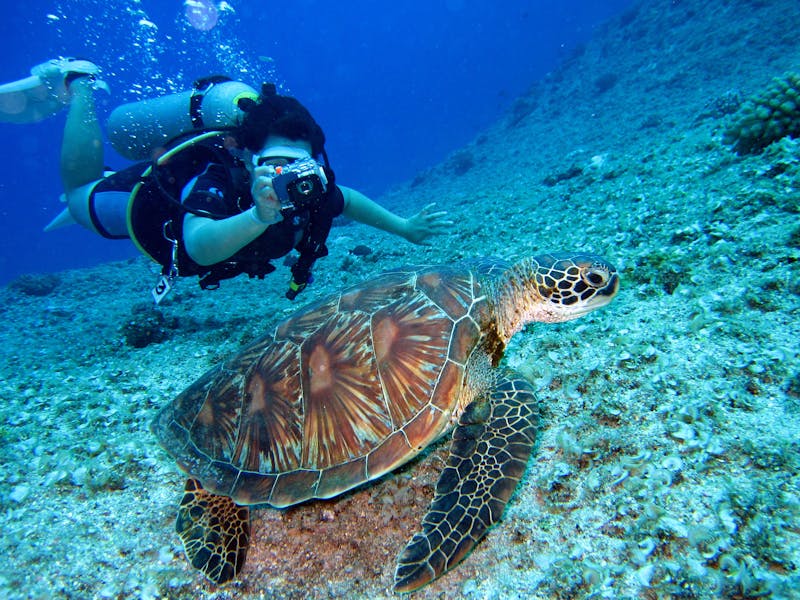
Inside this tranquil natural pool lies Turtle Beach (located directly in front of the Hikka Tranz Resort and the Coral Sanctuary). Here, colossal resident Green Sea Turtles (Chelonia mydas) , Hawksbill Turtles (Eretmochelys imbricata) , and occasional Olive Ridley Turtles (Lepidochelys olivacea) congregate in waist-deep water merely 5 to 20 meters from the golden sand shoreline.
                        INDIAN OCEAN MONSOON SWELLS
                                    │  │  │
                                    ▼  ▼  ▼
       ┌─────────────────────────────────────────────────────────────┐
       │             HIKKADUWA NATIONAL PARK & REEF                  │
       │                                                             │
       │     [ Outer Barrier Reef ]           [ Glass-Bottom Lane ]  │
       │   ═════════════════════════        ░░░░░░░░░░░░░░░░░░░░░░░░  │
       │   (Montipora & Porites Wall)       (Navigational Channel)   │
       │                                                             │
       │            [ Turtle Beach Shallow Natural Basin ]           │
       │            vvvvvvvvvvvvvvvvvvvvvvvvvvvvvvvvvvvvvv           │
       │            (Giant Green Turtles Grazing in 1m-2m Water)     │
       │                                                             │
       │   ───────────────────────────────────────────────────────   │
       │             Hikkaduwa Golden Sand Resort Beach              │
       └─────────────────────────────────────────────────────────────┘
What makes Hikkaduwa remarkable is the sheer scale and docility of its resident Green turtles. Several of the matriarch turtles that inhabit Turtle Beach have carapaces measuring over 1.2 meters in length and weigh upwards of 160 kilograms.
Visitors can simply step into the calm, warm water from the beach, slip on a mask and snorkel, and float beside these majestic, prehistoric marine reptiles as they calmly browse on nutritious red and green macroalgae growing along the limestone seabed.

Galle Fort & Hikkaduwa Turtle Snorkeling Day Trip from Colombo
All-inclusive private day trip from Colombo to Galle UNESCO Fort, Madu River mangrove boat safari, and swimming with wild turtles at Hikkaduwa Beach.
Marine Biology & Foraging Ecology at Hikkaduwa
The benthic ecology of Hikkaduwa’s shallow lagoon supports a specialized macroalgal community that provides an ideal food reservoir for herbivorous and omnivorous sea turtles:
  SURFACE (Snorkeler Standing/Floating in Waist-Deep Water) ~~~~~~~~~~~~~~~~~~~~~~~
                                                           │ (3-Meter Mandatory Buffer)
                                                           ▼
  SHALLOW GRAZING BASIN                                   🐢 [Chelonia mydas (150kg+)]
  (Depth: 0.8m - 2.5m)                                     │ Cropping Ulva & Gracilaria
                                                           ▼
  LIMESTONE PLATFORM & MACROALGAE                         vvvvvvvvvvvvvvvvvvvvvvvvvvvvvv
                                                          Ulva lactuca & Gracilaria
                                                          Porites lutea & Montipora
1. The Giant Green Sea Turtles (Chelonia mydas)
The Green turtles of Hikkaduwa are almost entirely herbivorous. The sheltered limestone seabed of the inner bay is densely coated in nutrient-rich marine macroalgae, including Sea Lettuce (Ulva lactuca), red seaweed (Gracilaria corticata), and Enteromorpha.
Using their serrated lower keratinous beaks, Green turtles scrape the algae from the stones with deliberate, rhythmic bites. Because the local community has protected these turtles from poaching for decades, they display zero fear of humans, continuing to graze undisturbed even as respectful snorkelers float quietly on the surface right beside them.
2. The Hawksbills (Eretmochelys imbricata) & Olive Ridleys (Lepidochelys olivacea)
- Hawksbills: Patrol the outer coral reef crest (depths of 2 to 8 meters) where colonies of Foliose Coral (Montipora aequituberculata) and Pore Coral (Porites lutea) thrive. Hawksbills feed on encrusting sponges and small benthic tunicates.
- Olive Ridleys: Primarily pelagic foragers that navigate the sandy channels and outer drop-offs of the national park, hunting small crabs, jellyfish (scyphozoans), and benthic mollusks.
Symbiotic Cleaning Stations & Marine Biodiversity
Around the outer reef bommies, Bluestreak Cleaner Wrasses (Labroides dimidiatus) and Banded Wrasses (Thalassoma hardwicke) service resident turtles.
Other species sharing Hikkaduwa’s marine reserve:
- Reef Fish: Large schools of Sergeant Majors (Abudefduf saxatilis), Parrotfish (Scaridae), Moorish Idols (Zanclus cornutus), and Blue-green Damselfish (Chromis viridis).
- Invertebrates: Giant sea anemones hosting Clark’s Anemonefish (Amphiprion clarkii), spiny lobsters (Panulirus penicillatus), and vibrant sea cucumbers.
Detailed Bathymetry, Reef Zones & Snorkel Swim Routes
SHORELINE                            INNER LAGOON                            OUTER BARRIER REEF
[ Turtle Beachfront ]         [ Shallow Algae Basin ]                 [ National Park Coral Wall ]
   Depth 0.5-1.0m                    Depth 1.2-2.5m                          Depth 3.0-12.0m
         │                                 │                                       │
      ┌──────┐                          vvvvvvvv                                ════════
  (Golden Sand)                  (Giant Turtles Grazing)                  (Hard Corals & Wrasses)
                  HIKKADUWA TURTLE BEACH SHORE SNORKEL ROUTE

  [ Sandy Beachfront in Front of Hikka Tranz Hotel ]
          │  Step directly into calm, crystal-clear water
          ▼
  [ Waist-Deep Sand Basin (0.8m - 1.5m) ]  --> Wade out 15m; put on mask & snorkel
          │  Look down: Giant Green Turtles Grazing on Algae Beds 🐢
          ▼
  [ Inner Lagoon Limestone Flats (1.5m - 2.5m) ] --> 3 to 6 Adult Turtles (150kg+)
          │  Maintain 3-meter standoff buffer; DO NOT FEED SEAWEED BY HAND
          ▼
  [ Outer Coral Ridge Lip (2.5m - 5.0m) ]       --> Hard Porites Heads & Cleaner Wrasses
          │  Swim parallel to the beach away from glass-bottom boat channels
          ▼
  [ Exit Safely onto Golden Sand Beach ]
1. Turtle Beach Shallows (Depth: 0.8 to 2.0 meters)
- Characteristics: Sheltered, pool-like natural basin right off the sandy beach.
- Wildlife Encounter: The easiest, most effortless turtle encounter in Sri Lanka. Ideal for families, children, and non-swimmers. You can stand in chest-deep water and watch wild 150-kg Green turtles graze right at your feet.
2. Hikkaduwa Coral Sanctuary / Inner Reef (Depth: 1.5 to 4.0 meters)
- Characteristics: Expansive hard coral terrace featuring foliose Montipora and brain corals.
- Wildlife Encounter: Foraging Hawksbill turtles, schools of vibrant butterflyfish, and anemone colonies. Snorkelers should stay within the marked swimming zones and avoid boat channels.
3. Deep Outer Drop-Off & Rock Formations (Depth: 6.0 to 18.0 meters)
- Characteristics: The seaward face of the barrier reef sloping into the Indian Ocean.
- Wildlife Encounter: Excellent for scuba diving with Poseidon Diving Station. Frequented by Olive Ridley turtles, blacktip reef sharks, barracudas, and seasonal manta rays.
Southern Sri Lanka: Private Turtle Snorkel & Whale Watching Tour
Private combo tour covering Hikkaduwa turtle reef snorkeling, Mirissa blue whale cruise, Galle Dutch Fort, and coastal tea plantations.
Sri Lankan Wildlife Laws, Conservation Ethics & Feeding Bans
Marine wildlife in Sri Lanka is legally protected under the Fauna and Flora Protection Ordinance (FFPO - Act No. 22 of 2009):
Department of Wildlife Conservation (DWC) & Sea Turtle Conservancy Conservation Standards:
- Total Legal Protection: All five species of marine turtles found in Sri Lanka are strictly protected under Section 30 of the FFPO. Killing, catching, injuring, possessing, or trading turtles or their eggs carries statutory fines of up to 100,000 LKR (~$330 USD) and up to 5 years imprisonment.
- Ban on Hand-Feeding Turtles: Hand-feeding wild turtles with handfuls of seagrass or foreign food along the shoreline is strictly discouraged and prohibited by wildlife authorities. Hand-feeding alters natural foraging instincts, creates artificial aggression, and exposes turtles to bacteria from human hands.
- 3-Meter Mandatory Standoff Buffer: Snorkelers must maintain a respectful [3-meter distance](/ethics-and-safety/). Never grab, ride, hold, or encircle a turtle.
- Boat Navigation Channels: Glass-bottom tour boats must operate at idle speed (< 4 knots) and remain strictly within designated deep-water channels.
Seasonality, Water Temperatures & Monsoon Windows
Month:      Jan  Feb  Mar  Apr  May  Jun  Jul  Aug  Sep  Oct  Nov  Dec
Sighting:  [==== Peak Season 95% ====] [======== Off-Season 60% ========] [== Peak 95% ==]
Conditions: Dry Northeast Monsoon (Calm) Southwest Monsoon (Heavy Swells) Dry Season
Water Temp: 27°C 27°C 28°C 29°C 29°C 28°C 28°C 28°C 28°C 28°C 28°C 27°C
Visibility:  18m  20m  25m  25m   8m   5m   5m   6m   8m  12m  18m  20m
- Dry Peak Season (November through April): The optimum window for the southwest coast of Sri Lanka. Characterized by sunny skies, turquoise glassy waters, low ocean swell, and visibility reaching 18 to 25 meters. Sea turtles feed in the shallows daily.
- Southwest Monsoon (May through October): The Yala monsoon brings powerful Indian Ocean groundswells, rough shorebreak, and reduced visibility (5–8 meters). While turtles remain in the area, swimming and snorkeling can be dangerous due to breaking waves.
Complete Logistics: Getting to Hikkaduwa from Colombo
[ Bandaranaike International Airport (CMB) ]
                     │
    Southern Expressway Private Taxi (1.5 - 2 hrs) OR Coastal Train (2 hrs)
                     ▼
          [ HIKKADUWA BEACHFRONT ]
1. Gateway Airport & Overland Highway Transfer
- Fly into Colombo (Bandaranaike International Airport - CMB): Serviced by major international carriers (Emirates, Qatar, SriLankan Airlines, Singapore Airlines).
- Private Taxi Transfer via Southern Expressway (E01): The fastest and most comfortable route. Private air-conditioned taxis take just 1.5 to 2 hours to reach Hikkaduwa via the modern toll highway (cost: approx. 14,000–18,000 LKR / $45–$60 USD per car).
- Scenic Coastal Express Train: Catch the train from Colombo Fort Railway Station to Hikkaduwa Station. The tracks run directly along the edge of the Indian Ocean, offering one of the world’s most scenic rail journeys (fare: approx. 500–1,200 LKR / $1.70–$4.00 USD).
2. Shore Entry Protocols & Fees
- Site Entry Fee: $0.00 (100% Free Public Access).
- Rental Equipment: High-quality masks, snorkels, and fins can be rented from beachfront dive centers (like Poseidon) for 1,000–1,500 LKR ($3.30–$5.00 USD) per day.
Realistic Pricing Benchmarks & Verified Local Operators
| Service / Item | LKR (Sri Lankan Rupees) | USD Equivalent ($) | Notes / Inclusions |
|---|---|---|---|
| Beach Shore Entry Fee | 0 LKR | $0.00 (Free) | Public beach walk-in |
| Mask & Snorkel Rental (Daily) | 800 – 1,200 LKR | $2.60 – $4.00 | From beachfront dive centers |
| Fins Rental (Daily) | 800 – 1,200 LKR | $2.60 – $4.00 | Recommended for outer reef swim |
| Glass-Bottom Boat Tour (1 Hour) | 3,500 – 5,000 LKR | $11.50 – $16.50 | Up to 4 people; covers coral sanctuary |
| Private Guided Snorkel Excursion | 4,000 – 6,000 LKR | $13.00 – $20.00 | 1.5 hours with certified local guide |
| Single Guided Scuba Boat Dive | 10,500 – 13,500 LKR | $35.00 – $45.00 | Includes full equipment, boat & divemaster |
Verified Local PADI 5-Star Operators
- Poseidon Diving Station
- Accreditation: PADI 5-Star Instructor Development Center #12455
- Website: https://divingsrilanka.com | Email: info@divingsrilanka.com | Phone: +94 77 881 0766
- Location: 304 Galle Road, Hikkaduwa 80240
- Highlights: Founded in 1973, Poseidon is the oldest and most respected dive center in Sri Lanka. Exceptional safety standards, professional divemasters, and daily boat dives to Hikkaduwa’s offshore shipwrecks and turtle reefs.
- Dive Lanka Hikkaduwa
- Accreditation: PADI 5-Star Dive Center #22891
- Website: https://divelanka.com | Email: info@divelanka.com | Phone: +94 77 790 5432
- Location: Galle Road, Narigama, Hikkaduwa
- Highlights: Highly rated dive outfitter offering guided snorkeling safaris, PADI courses, and clean modern rental equipment.
- International Diving Center (IDC Hikkaduwa)
- Accreditation: PADI Dive Resort #3412
- Website: https://idchikkaduwa.com | Email: info@idchikkaduwa.com | Phone: +94 91 227 7200
- Location: 400 Galle Road, Hikkaduwa
- Highlights: Experienced local team offering small-group guided diving, marine conservation education, and private boat charters.
Responsible Snorkeling & Ethical Wildlife Guidelines
                    RESPONSIBLE HIKKADUWA ENCOUNTER PROTOCOLS

     Snorkeler Floating Silently on Surface (3-Meter Standoff Buffer)
     ~~~~~~~~~~~~~~~~~~~~~~~~~~~~~~~~~~~~~~~~~~~~~~~~~~~~~~~~~~~~~~~
                                    │
                                    │  3 METERS (10 FEET) MINIMUM BUFFER
                                    │  DO NOT HAND-FEED SEAWEED
                                    ▼
                         🐢 [Giant Green Sea Turtle]
                                    │
                                    ▼
        [ Limestone Platform & Red Algae Beds in 1.5m Water ] vvvvvvv
- Do Not Hand-Feed Turtles with Seaweed: While local beach vendors may encourage tourists to feed seaweed to turtles for photos, please refuse. Hand-feeding creates artificial food conditioning, causes turtles to ingest plastic debris, and can lead to accidental bites.
- Maintain a 3-Meter Buffer: Float calmly beside the turtle. Never attempt to ride, hold, or stroke its shell.
- Never Stand on Living Corals: The inner sanctuary is regenerating; keep your feet up and float horizontally.
- No Flash Photography: Ambient tropical light is bright; avoid using flash near turtle eyes.
Red Flags & What to Avoid at Hikkaduwa Reef
Red Flags & What to Avoid at Hikkaduwa Coral Reef & Beach
Independent critique, common tourist traps, and local marine compliance advisories.
At Hikkaduwa Coral Reef & Beach, underwater clarity is highest during Early morning 07:00-10:00 (10–25m). By late morning, coastal winds kick up chop and tourist activity stirs bottom sediments, cutting visibility significantly. Resident sea turtles typically retreat to deeper resting ledges once human traffic peaks.
Shore access at Hikkaduwa Coral Reef & Beach has an official fee of $0.00 USD. Independent beach touts often approach visitors claiming private guides or expensive package wristbands are required. Verify official ticket counters and bring your own sanitized snorkel gear to avoid paying 300% rental markups.
Wild sea turtles at Hikkaduwa Coral Reef & Beach are protected by national marine sanctuaries. Strict 3-meter swimming distance; zero touching, restraining, riding, or crowding. Touching, cornering, riding, or feeding turtles carries severe statutory wildlife fines, immediate park ejection, and potential legal prosecution under Sri Lanka conservation laws.
Chemical sunscreens containing oxybenzone, octinoxate, and octocrylene poison fragile coral polyps and marine turtle nursery habitats. Use exclusively certified 100% non-nano zinc oxide mineral sunscreens or wear UPF 50+ rashguards to prevent sunscreen wash-off in the protected reef zone.
Frequently Asked Questions & Direct Choice Field Guide
Guided Tour vs Independent Shore Snorkeling in Hikkaduwa Reef — Which should you book?
Book a guided excursion (from $16 USD) if you want guaranteed encounters, boat access to outer reefs, certified safety skippers, and high-quality snorkel gear; choose independent shore snorkeling (Free public entry) only if you are an experienced ocean swimmer equipped with your own reef-safe gear and comfortable navigating local shore breaks and current corridors.
Guided tours provide dedicated spotters who know current turtle feeding clusters, whereas independent snorkelers often waste hours searching murky shallows.
Early Morning vs Midday Snorkeling — When is turtle sighting probability highest?
Go during Early morning 07:00-10:00, which delivers an optimal 95% sighting probability and crystal 10–25m underwater visibility before offshore trade winds churn bottom sediments and tourist crowds arrive.
After 11:00 AM, heavy boat traffic and hundreds of recreational swimmers stir up fine silt, reducing underwater clarity by up to 50% and driving grazing turtles into deeper offshore trenches.
Peak Season (November, December, January) vs Shoulder Months — When are water conditions best?
Visit during November, December, January for peak feeding activity, minimal rainfall, and warm sea temperatures ranging from 27°C to 30°C.
While resident sea turtles inhabit Hikkaduwa Reef year-round, booking morning excursions during peak months ensures calm surface conditions, though reserving tour slots 2–3 weeks ahead is essential to avoid sold-out capacity limits.
What are the statutory wildlife distance rules and legal penalties in Sri Lanka?
Swimmers must maintain a strict minimum 3-meter (10-foot) buffer from all sea turtles at all times under Sri Lanka marine conservation laws.
Touching, riding, pursuing, or cornering a turtle is a serious wildlife violation carrying steep statutory fines, immediate ejection from the marine sanctuary, and potential criminal prosecution. Always float neutrally with your arms crossed across your chest and allow turtles an unobstructed 45-degree surfacing corridor to breathe.
Where do Hikkaduwa Reef turtle tours depart from, and how do you reach the reef?
Most verified excursions depart directly from local harbor docks or designated beach kiosks near CMB airport, with reef access centered around GPS coordinates 6.1394, 80.1063.
If traveling independently by rental car or taxi, arrive at least 30 minutes before your scheduled departure to secure parking and complete mandatory marine sanctuary registration.