

Overview: The World’s Greatest Fringing Reef Haven
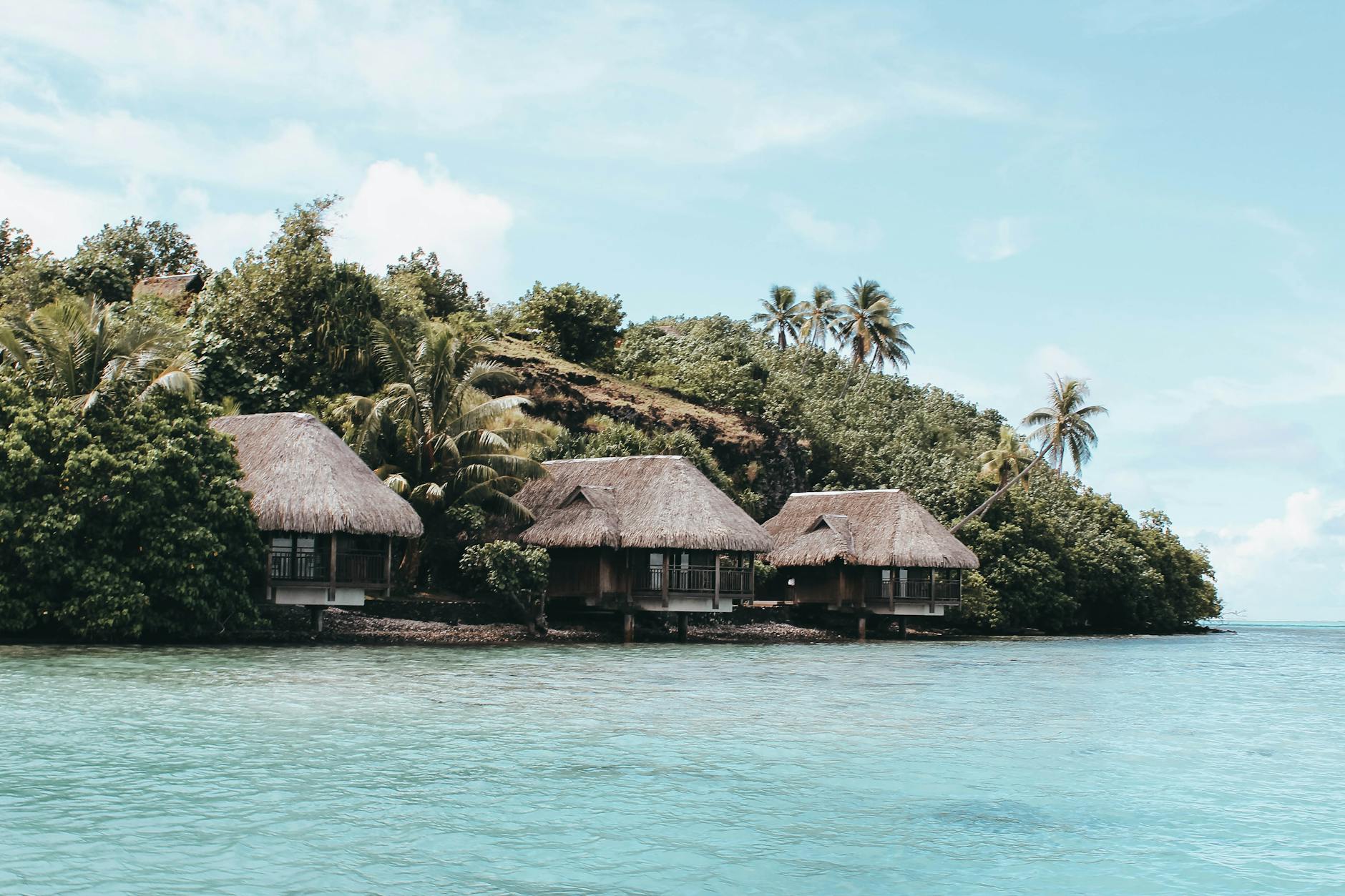
Stretching across 300 kilometers (186 miles) of Western Australia’s remote Gascoyne coastline, the UNESCO World Heritage-listed Ningaloo Reef (22.4000° S, 113.8000° E) is one of Earth’s biological masterpieces. Unlike the Great Barrier Reef, which lies tens of kilometers offshore, Ningaloo is a fringing barrier reef that sits mere meters from the blinding white dunes of the Pilbara desert. In places like Coral Bay and Turquoise Bay, you can wade calf-deep into crystal-clear turquoise waters and find yourself floating above colossal coral gardens teeming with hundreds of wild sea turtles.
Ningaloo Marine Park encompasses over 604,500 hectares of pristine ocean habitat, bathed by the warm, south-flowing Leeuwin Current. This nutrient-rich oceanic highway creates a haven for four distinct marine turtle species: the Green Sea Turtles (Chelonia mydas) , Hawksbill Turtles (Eretmochelys imbricata) , Loggerhead turtles (Caretta caretta), and the vulnerable endemic Flatback Turtles (Natator depressus) .
Whether you are executing the world-famous shore-based current drift at Turquoise Bay (Cape Range National Park), drifting across the shallow coral nurseries of Bill’s Bay in Coral Bay, or embarking on a high-speed catamaran safari to the outer reef passes, Ningaloo guarantees an intimate, ecologically pristine encounter with wild chelonians in their natural sanctuary.
Exmouth: Ningaloo Reef Turtle & Outer Coral Snorkel Safari
Small-group eco-safari across Ningaloo's outer reef passes with marine biologists, full equipment, guided turtle drifts, and hot lunch.
Marine Ecology & Scientific Biology: The Four Turtles of Ningaloo
Ningaloo’s unique position at the intersection of tropical and temperate marine zones produces rich biodiversity. More than 500 species of fish and 300 species of reef-building scleractinian corals thrive here alongside resident turtle populations.
                  [ NINGALOO REEF TROPHIC STRUCTURE ]
                                   │
      ┌────────────────────────────┼────────────────────────────┐
      ▼                            ▼                            ▼
[ Green Sea Turtle ]     [ Hawksbill Turtle ]         [ Loggerhead Turtle ]
 (Chelonia mydas)       (Eretmochelys imbricata)        (Caretta caretta)
      │                            │                            │
      ▼                            ▼                            ▼
Herbage & Seagrass            Sponges & Cnidarians        Crustaceans & Mollusks
(Halophila ovalis &          (Spheciospongia &           (Blue swimmer crabs &
 Sargassum algae)             Pocillopora coral)          Gastropods)
1. Green Sea Turtle (Chelonia mydas)
The most abundant species along Ningaloo, the Green Turtle population numbers tens of thousands of individuals. Juveniles and sub-adults spend their years in the sheltered inner lagoons (such as Coral Bay and Mangrove Bay), grazing voraciously on lush Paddle Weed (Halophila ovalis), Ribbon Weed (Cymodocea serrulata), and fleshy brown macroalgae (Sargassum and Turbinaria). Adults reach carapaces of up to 1.2 meters and weigh over 150 kg (330 lbs).
2. Hawksbill Sea Turtle (Eretmochelys imbricata)
Critically endangered globally, Hawksbills frequent Ningaloo’s dense coral thickets, particularly around outer reef pinnacles and the labyrinthine bommies of Bundegi and Bateman Bay. Their narrow, sharp beaks are precision instruments engineered to reach deep into crevices, extracting silica-rich toxic marine sponges (Spheciospongia vagabunda) and soft corals that other animals cannot digest.
3. Loggerhead Sea Turtle (Caretta caretta)
Recognizable by their massive, muscular head structures and powerful, crushing jaw plates, Loggerheads cruise the deeper sand channels (6–18 meters) hunting bottom-dwelling invertebrates: portunid crabs, mantis shrimps, bivalve mollusks, and sea urchins. Ningaloo’s Muiron Islands and Jurabi coast host the third-largest Loggerhead breeding aggregation in the entire Indo-Pacific region.
4. Flatback Turtle (Natator depressus)
Endemic entirely to the continental shelf waters of northern Australia, Flatback turtles possess an ultra-smooth, low-domed carapace with upturned marginal edges. Unlike pelagic green turtles, flatbacks remain strictly in coastal turbid waters, feeding on sea cucumbers, hydroids, jellyfish, and soft bryozoans.
Symbiotic Cleaning Stations at Ningaloo
Throughout Ningaloo’s shallow lagoons, massive porites coral heads—locally called bommies—function as bustling oceanic hygiene spas. Here, resident Bluestreak Cleaner Wrasses (Labroides dimidiatus), Goldspot Damselfish, and Sailfin Tangs (Zebrasoma velifer) establish cleaning territories. Turtles will lower their swim velocity, angle their body at 45 degrees with flippers extended, and enter a state of peaceful torpor while the cleaning guild methodically consumes parasites, epibionts, and necrotic skin.
Bathymetry & The World-Famous Drift Snorkels
Understanding Ningaloo’s reef bathymetry is critical for executing safe and exhilarating snorkeling sessions. The barrier reef intercepts powerful Indian Ocean swells, forcing water over the reef crest into a protected lagoon basin that drains back through natural deep-water channels.
 WEST (Open Ocean)                                                 EAST (Desert Shoreline)
 Indian Ocean Swells                                                       White Dunes
        │ │ │
        ▼ ▼ ▼
   ┌───────────┐      [ Calm Lagoon Basin: 1.5m–4.5m ]             ┌────────────────────┐
   │ Barrier   │  ░░░░░░░░░░░░░░░░░░░░░░░░░░░░░░░░░░░░░░░░░░░░░░░  │ Sandy Shoreline     │
   │ Reef Wall │  [Acropora Corals & Feeding Green Turtles]        │ Entry / Walkway    │
   └───────────┘      ───────────────────────────────────────      └────────────────────┘
   (Depth: 12-25m)            Sandy Channel Floor
The Turquoise Bay Drift Circuit (Cape Range National Park)
Turquoise Bay is frequently ranked among the top 3 beaches on Earth. Its unique hydrology creates a natural underwater conveyor belt:
[ UPWIND ENTRY POINT - South End ] ─── Step into water (1.5m depth)
                 │
                 ▼  <--- Gentle Northward Drift Current (0.5 to 1.5 knots)
   [ SNORKEL GLIDE ZONE: 250m ]  === Gliding over Acropora plates, Staghorn forests,
                                      and grazing Green & Hawksbill turtles
                 │
                 ▼
[ MANDATORY EXIT POINT - North Sand Spit ] ─── Exit to dry beach BEFORE sand bar ends!
                 │
                 ✘ DANGER: Do NOT drift beyond the point into the outer channel rip!
| Zone | Depth Profile | Coral Topography | Wildlife Encounters |
|---|---|---|---|
| Turquoise Bay Drift | 1.2 – 3.0 m | Enormous Acropora table corals, staghorn thickets, brain corals | Green turtles grazing on algae, sleeping under ledges, schooling spangled emperors. |
| Lakeside Sanctuary | 2.0 – 5.5 m | Giant Porites bommies, sandy gullies, calcareous ridges | Massive sub-adult Green and Loggerhead turtles, wobbegong sharks, spotted stingrays. |
| Coral Bay (Bill’s Bay) | 1.0 – 4.0 m | Intricate maze of cabbage corals (Turbinaria), finger corals | Nursery ground for juvenile Green turtles, blacktip reef sharks, shovel-nose rays. |
| Oyster Stacks | 1.0 – 2.5 m | Ancient limestone stacks covered in hard corals (High Tide Only) | Hawksbills foraging in crevices, nudibranchs, colorful giant clams (Tridacna maxima). |
| Outer Reef Pass (Boat) | 6.0 – 18.0 m | Dramatic coral drop-offs, underwater canyons, spur-and-groove | Large pelagic turtles, manta rays, reef sharks, humpback whales (seasonal). |
Logistics: How to Access Ningaloo’s Turtle Spots
Ningaloo Reef spans two primary geographic hubs: Exmouth (the northern gateway to Cape Range National Park) and Coral Bay (the relaxed, pedestrian-only southern holiday settlement).
                    [ LEARMONTH AIRPORT (LEA) ]
                                 │
            ┌────────────────────┴────────────────────┐
            ▼ (35 km North - 30 min)                  ▼ (120 km South - 75 min)
    [ EXMOUTH TOWNSHIP ]                         [ CORAL BAY VILLAGE ]
            │                                         │
            ▼ (Drive 45 min West)                     ▼ (Walk 2 minutes)
[ Cape Range National Park ]                 [ Bill's Bay & Purdy Point ]
 - Turquoise Bay Drift                       - Step right into turtle lagoon
 - Lakeside Sanctuary                        - Catamaran charters to outer reef
 - Oyster Stacks (High Tide)
Transportation & Driving Directions
- Flights: Regular daily flights on Qantas connect Perth (PER) to Learmonth Airport (LEA), located 35 km south of Exmouth and 120 km north of Coral Bay.
- Car Rental: A standard 2WD vehicle is perfectly adequate to access all major Cape Range snorkel sites (Turquoise Bay, Lakeside, Oyster Stacks) via paved roads from Exmouth. 4WD is only required for deep southern wilderness tracks.
- Cape Range Park Entry: A Parks and Wildlife Service vehicle pass is required to enter Cape Range National Park ($17 AUD / ~$11 USD per vehicle per day), purchasable at the park entry gate or online via DBCA.
Expedition Routine: A Perfect Turtle Snorkel Day at Ningaloo
Tidal Check & Departure from Exmouth
Pack your high-protection UV rashguard, mask, snorkel, and long fins. Drive scenic Yardie Creek Road into Cape Range National Park as kangaroos and emus forage along the red coastal plain.Morning Drift Snorkel at Turquoise Bay
Arrive at Turquoise Bay Drift car park before the midday sea breeze. Walk 150 meters south along the sand, step into the glass-calm water, and effortlessly float over pristine staghorn coral thickets, observing 4 to 8 wild Green turtles feeding in the morning light.High-Tide Exploration at Oyster Stacks
Drive 5 minutes north to Oyster Stacks during high tide (minimum 1.2m water level required). Snorkel right off the limestone shelf to watch Hawksbill turtles delicately chipping encrusting organisms from the coral crevices.Afternoon Outer Reef Charter or Coral Bay Lagoon
Board a high-speed catamaran safari to the outer Ningaloo reef passes. Snorkel alongside massive Loggerhead turtles and manta rays in the deep blue clarity of the outer wall.Jurabi Turtle Centre Guided Nesting Walk (Nov–Mar)
Join a DBCA-certified turtle eco-education ranger at the Jurabi Turtle Centre to witness adult females hauling up the dunes under the Southern Cross to dig their nesting chambers.Australian Conservation Laws & DBCA Wildlife Regulations
Western Australia enforces world-leading marine wildlife protection under the Biodiversity Conservation Act 2016 and the Conservation and Land Management Act 1984, administered by the Department of Biodiversity, Conservation and Attractions (DBCA).
Conservation Authority: Enforced in accordance with [DBCA](https://www.dbca.wa.gov.au) standards.
**Statutory Wildlife Protection Rules (DBCA Ningaloo Marine Park):** - **3-Meter Mandatory Standoff Buffer**: You must maintain at least 3 meters of clearance from any turtle in the water. - **Zero Touching or Harassment**: Touching, grabbing, riding, chasing, or surrounding a turtle is strictly prohibited under Australian federal law. Penalties include on-the-spot fines starting at **$1,000 AUD up to statutory court prosecutions exceeding $25,000 AUD**. - **No Path Obstruction**: Never position yourself directly above a turtle or block its vertical access to the surface air. - **Strict Sanctuary Zone Protection**: All fishing, spearfishing, and specimen collecting are totally banned within Sanctuary Zones (Turquoise Bay, Lakeside, Bateman Bay). - **Jurabi Nesting Code**: On beaches between October and March, use only dim red lights (no white torches/flash photography). Stay behind nesting females once laying commences and keep a 15-meter buffer from hatchling crawls. [ DBCA TURTLE INTERACTION ETHICS ]
Snorkeler Turtle Ascent Corridor
🏊 <────── 3 Meters ──────> 🐢 (Unobstructed surface access)
(Surface) │
│ 45° glide angle
│
[ Coral Bommie ]
Verified Local Operators Comparison Matrix
| Operator | Base Location | Primary Experience | Fleet & Facilities | Contact & Verification |
|---|---|---|---|---|
| Ningaloo Marine Interactions | Coral Bay | “Manta & Turtle Safari” outer reef eco-tours | 50ft luxury power catamaran Utopia, spotter aircraft, marine biologists | ningalooreef.com.au / +61 8 9942 5885 |
| Exmouth Dive & Whalesharks | Exmouth | Outer Ningaloo drift dives & turtle snorkel cruises | Custom 55ft dive catamarans, PADI 5-Star IDC instruction, full stinger suits | exmouthdiveshop.com.au / +61 8 9949 1201 |
| Coral Breeze Charters | Coral Bay | Small-group turtle nursery & coral garden snorkeling | 38ft shaded catamaran, personalized family guided snorkeling | coralbaycharters.com.au / +61 8 9942 5877 |
Seasonality, Water Temperatures & Wildlife Phenology
Ningaloo enjoys over 320 days of sunshine each year. The underwater conditions fluctuate with seasonal ocean currents:
Month       Jan   Feb   Mar   Apr   May   Jun   Jul   Aug   Sep   Oct   Nov   Dec
Water (°C)   27    28    27    26    24    22    22    22    23    24    25    26
Visibility  25m   25m   25m   30m   30m   25m   20m   20m   25m   30m   30m   25m
Nesting     ███   ███   ███                                           ██    ███   ███
Hatching          ███   ███   ███
Whalesharks             ███   ███   ███   ███   ███
Manta Rays  ███   ███   ███   ███   ███   ███   ███   ███   ███   ███   ███   ███
- Summer (November to March): Peak turtle mating, nesting, and hatching season. Water temperatures reach 26–28°C (79–82°F) with flat morning seas.
- Autumn/Winter (April to August): Exceptional water visibility (up to 30+ meters). Migrating Whalesharks, Humpback Whales, and year-round Manta Rays share the reef with resident foraging turtles. Water temperatures drop to 22–24°C (72–75°F); a 3mm wetsuit is recommended.
Essential Gear & Packing Guide for Ningaloo
- Long-Blade Snorkel Fins: Critical for navigating the gentle current at Turquoise Bay and providing effortless propulsion without kicking fragile coral heads.
- UPF 50+ Stinger Suit / Full Rashguard: Protects against the fierce Western Australian sun and occasional seasonal hydroids/stingers during summer months.
- Non-Nano mineral zinc sunscreen : Chemical sunscreens (Oxybenzone/Octinoxate) damage fragile coral polyps. Use 100% reef-safe mineral zinc.
- Anti-Fog High-Definition Mask: A dual-lens tempered glass mask with soft black silicone skirt to eliminate side glare from bright white sand.
- 4K Action Camera with Floating Grip: Capture crisp 60fps footage of swimming turtles. Keep selfie sticks retracted within your 3-meter legal distance.
Red Flags & What to Avoid at Ningaloo Marine Park
Red Flags & What to Avoid at Ningaloo Marine Park (Coral Bay & Turquoise Bay, Exmouth)
Independent critique, common tourist traps, and local marine compliance advisories.
At Ningaloo Marine Park (Coral Bay & Turquoise Bay, Exmouth), underwater clarity is highest during Morning high-slack tide 07:30-11:00 (15–35m). By late morning, coastal winds kick up chop and tourist activity stirs bottom sediments, cutting visibility significantly. Resident sea turtles typically retreat to deeper resting ledges once human traffic peaks.
Reaching Ningaloo Marine Park (Coral Bay & Turquoise Bay, Exmouth) requires vessel transit. Avoid booking unregulated freelance boats that lack emergency marine VHF radios, licensed skippers, lifejackets, and insurance. Only book vetted operators with certified guides to ensure safe mooring and eco-compliant operations.
Wild sea turtles at Ningaloo Marine Park (Coral Bay & Turquoise Bay, Exmouth) are protected by national marine sanctuaries. Mandatory 3-meter standoff buffer from sea turtles and 5-meter buffer from resting females on beaches. Touching, cornering, riding, or feeding turtles carries severe statutory wildlife fines, immediate park ejection, and potential legal prosecution under Australia conservation laws.
Chemical sunscreens containing oxybenzone, octinoxate, and octocrylene poison fragile coral polyps and marine turtle nursery habitats. Use exclusively certified 100% non-nano zinc oxide mineral sunscreens or wear UPF 50+ rashguards to prevent sunscreen wash-off in the protected reef zone.
Frequently Asked Questions & Direct Choice Field Guide
Guided Tour vs Independent Shore Snorkeling in Ningaloo Marine Park — Which should you book?
Book a guided excursion (from $103 USD) if you want guaranteed encounters, boat access to outer reefs, certified safety skippers, and high-quality snorkel gear; choose independent shore snorkeling ($11.00 USD) only if you are an experienced ocean swimmer equipped with your own reef-safe gear and comfortable navigating local shore breaks and current corridors.
Guided tours provide dedicated spotters who know current turtle feeding clusters, whereas independent snorkelers often waste hours searching murky shallows.
Early Morning vs Midday Snorkeling — When is turtle sighting probability highest?
Go during Morning high-slack tide 07:30-11:00, which delivers an optimal 98% sighting probability and crystal 15–35m underwater visibility before offshore trade winds churn bottom sediments and tourist crowds arrive.
After 11:00 AM, heavy boat traffic and hundreds of recreational swimmers stir up fine silt, reducing underwater clarity by up to 50% and driving grazing turtles into deeper offshore trenches.
Peak Season (October, November, December) vs Shoulder Months — When are water conditions best?
Visit during October, November, December for peak feeding activity, minimal rainfall, and warm sea temperatures ranging from 22°C to 28°C.
While resident sea turtles inhabit Ningaloo Marine Park year-round, booking morning excursions during peak months ensures calm surface conditions, though reserving tour slots 2–3 weeks ahead is essential to avoid sold-out capacity limits.
What are the statutory wildlife distance rules and legal penalties in Australia?
Swimmers must maintain a strict minimum 3-meter (10-foot) buffer from all sea turtles at all times under Australia marine conservation laws.
Touching, riding, pursuing, or cornering a turtle is a serious wildlife violation carrying steep statutory fines, immediate ejection from the marine sanctuary, and potential criminal prosecution. Always float neutrally with your arms crossed across your chest and allow turtles an unobstructed 45-degree surfacing corridor to breathe.
Where do Ningaloo Marine Park turtle tours depart from, and how do you reach the reef?
Most verified excursions depart directly from local harbor docks or designated beach kiosks near LEA airport, with reef access centered around GPS coordinates -22.4, 113.8.
If traveling independently by rental car or taxi, arrive at least 30 minutes before your scheduled departure to secure parking and complete mandatory marine sanctuary registration.