

Overview: The Spice Island Turtle Haven
Drifting in the azure warmth of the Indian Ocean off the coast of East Africa, the Zanzibar Archipelago (Unguja) is a legendary paradise of white powder sands, spice plantations, and vibrant coral atolls. The undisputed crown jewel for marine wildlife enthusiasts is Mnemba Atoll Marine Special Reserve (-5.8200° S, 39.3800° E), located 3 kilometers off the northeastern coast of Matemwe, alongside the vibrant northern beaches of Nungwi.
Encircled by an oval barrier reef measuring 7 by 4 kilometers, Mnemba Atoll encompasses pristine coral walls and calm turquoise sandbanks where wild Green Sea Turtles (Chelonia mydas) and critically endangered Hawksbill Turtles (Eretmochelys imbricata) forage and rest year-round.
In northern Nungwi, visitors can experience a unique dual encounter: snorkeling with wild turtles across the coral slopes of Mnemba Atoll by day, and visiting the community-managed Mnarani Marine Turtle Conservation Pond, a natural tidal lagoon where sick, injured, and bycatch turtles are rehabilitated before being tagged and released back into the Indian Ocean every February.
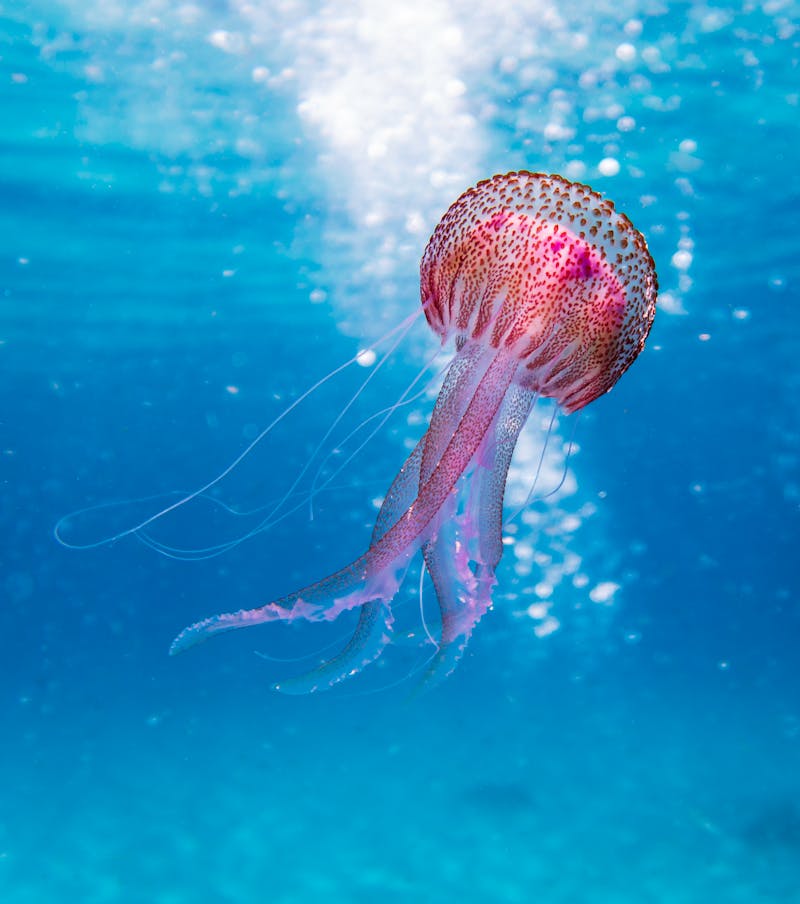
Zanzibar: Mnemba Atoll Turtle Snorkel & Dolphin Dhow Safari
Boat safari to Mnemba Atoll with wild turtle snorkeling, dolphin watching, fresh tropical fruit feast on the sandbank, and marine reserve fees.
Marine Biology: The Coral Slopes of Mnemba
Mnemba Atoll’s unique geography creates a nutrient-rich marine ecosystem shielded from mainland sediment.
                    [ MNEMBA ATOLL REEF ZONATION ]
                                   │
      ┌────────────────────────────┼────────────────────────────┐
      ▼                            ▼                            ▼
[ SHALLOW CORAL GARDENS ]   [ KICHWANI REEF SLOPE ]      [ SANDBANK PASS ]
 Depth: 2m – 6m              Depth: 6m – 25m              Depth: 1m – 3m
 Foraging Hawksbills         Resting Green Turtles        Bottlenose Dolphins
 Encrusting sponges          Giant Trevally & Morays      Juvenile reef fish
1. Green Sea Turtle (Chelonia mydas) Biology
Green turtles use Mnemba’s deep coral terraces (such as Kichwani and The Aquarium) as resting platforms. They graze on red algae and benthic seaweeds along the reef edge before descending to tuck themselves securely beneath table coral ledges (Acropora cytherea) for long naps.
2. Hawksbill Sea Turtle (Eretmochelys imbricata) Ecology
Hawksbills frequent the shallower coral bommies (2 to 6 meters), using their sharp beaks to browse on toxic sponges, soft corals (Dendronephthya), and anemones that flourish along the sunlit outer rim of the atoll.
3. The Mnarani Community Conservation Model
In Nungwi village, the Mnarani Marine Turtle Conservation Project was established in 1993 by local villagers to prevent turtle poaching and preserve coastal nesting beaches. The project operates out of a natural tidal limestone lagoon behind Nungwi lighthouse, caring for injured turtles and educating thousands of travelers and local schoolchildren about marine ecology.
Reef Bathymetry & Snorkel Maps
 MNEMBA PRIVATE ISLAND (Landing Strictly Prohibited)
 ──────────────────────────────────────────────────
   │ (200m Exclusion Zone)
   ▼
 [ THE AQUARIUM: 3m - 7m ] ────> [ KICHWANI DROP-OFF: 8m - 25m ] ────> [ DEEP BLUE TRENCH ]
  Hawksbill turtles grazing,      Large Green turtles sleeping,         Dolphins, Jacks,
  Clownfish in anemones           Coral ledges, Moray eels              Pelagic gamefish
| Zone | Depth Profile | Coral Topography | Wildlife Encounters |
|---|---|---|---|
| The Aquarium (Mnemba) | 3.0 – 7.0 m | Sprawling hard coral gardens & anemones | Hawksbill turtles, Moorish idols, blue-spotted rays, clownfish. |
| Kichwani Wall | 6.0 – 20.0 m | Sloping coral drop-off with deep ledges | Large Green turtles resting on ledges, giant trevally, barracuda. |
| Mnemba Sandbank | 0.5 – 2.5 m | Fine white silica sandbank at low tide | Cruising juvenile reef fish, sea stars, dolphins in the channel. |
| Mnarani Lagoon (Nungwi) | 1.0 – 3.5 m | Natural tidal limestone grotto | Rehabilitated Green and Hawksbill turtles in community sanctuary. |
Logistics: Traveling to Mnemba from Nungwi & Stone Town
                   [ ZANZIBAR AIRPORT (ZNZ) ]
                               │
            ┌──────────────────┴──────────────────┐
            ▼ (60 min Drive)                      ▼ (75 min Drive)
   [ Stone Town Historic Hub ]           [ Nungwi & Kendwa Beachfront ]
            │                                     │
            ▼ (45 min Drive)                      ▼ (20 min Boat / Dhow)
   [ Matemwe Beach Launch Point ] ───────> [ Mnemba Atoll Marine Reserve ]
- Boat Departures: Excursions depart directly from Nungwi Beach (35-45 minutes by motorized dhow or 20 minutes by speedboat) or from Matemwe Beach (15-20 minutes by boat).
- Private Island Note: Mnemba Island itself is an ultra-exclusive private resort island; landing on the dry sand is strictly prohibited, but snorkeling the surrounding marine reserve reefs is 100% open and legal.
- Marine Reserve Fees: Entry to the Mnemba Marine Reserve requires a government conservation fee ($10 USD / ~25,000 TZS), which is typically bundled into certified tour bookings.
Expedition Routine: A Full Day in Zanzibar
Dhow Boarding at Nungwi Beach
Board a traditional wooden motorized dhow at Nungwi Beach. Set sail across the turquoise coastal waters toward the silhouette of Mnemba Atoll.Wild Dolphin Observation in the Channel
Watch for pods of resident Indian Ocean Bottlenose Dolphins playing in the open channel between Unguja and Mnemba.Snorkeling Session 1: The Aquarium at Mnemba
Slide into the 25-meter clarity at The Aquarium. Snorkel along vibrant coral heads to observe wild Hawksbill and Green turtles feeding on sponges and algae.Sandbank Fruit Feast
Anchor at the disappearing Mnemba sandbank. Savor freshly sliced sweet mangoes, passionfruit, watermelon, and fresh coconut while standing in ankle-deep turquoise water.Mnarani Conservation Pond Visit in Nungwi
Return to Nungwi and visit the Mnarani Marine Turtle Conservation Project to learn about community nest protection and feed seaweed to rehabilitated turtles.Marine Conservation Regulations (MCU Zanzibar)
The marine environment around Mnemba is strictly protected under the Marine Conservation Unit (MCU) of the Zanzibar Ministry of Blue Economy and Fisheries.
Zanzibar Marine Sanctuary Regulations (documented by SWOT ):
- 3-meter buffer : Keep at least 3 meters of distance from wild turtles and dolphins in open water.
- Zero Touching or Chasing: Never touch, ride, or chase turtles on the reef.
- Dolphin Code of Conduct: Boats must not encircle, chase, or drive through dolphin pods; swimming with dolphins must be conducted passively.
- Support Verified Eco-Operators: Choose dive and tour operators registered with the MCU and CDWS that practice ethical wildlife encounters.
Local Dive Centers & Tour Operators
| Operator | Base Location | Primary Specialty | Equipment & Fleet | Contact & Booking |
|---|---|---|---|---|
| Spanish Dancer Divers | Nungwi Beachfront | Daily PADI dive trips & Mnemba turtle safaris | Custom shaded dive speedboats, full Scubapro rental gear | spanishdancerdivers.com / +255 777 428 841 |
| East Africa Diving | Kendwa Rocks Beach | Professional dive & snorkel safaris to Mnemba | PADI 5-Star resort, high-speed RIBs, multilingual instructors | eastafricadiving.com / +255 777 417 646 |
| One Ocean Zanzibar | Stone Town & Matemwe | Zanzibar’s longest-established PADI 5-Star IDC | Dedicated marine biologists, daily trips from Matemwe | zanzibaroneocean.com / +255 777 411 604 |
Seasonal Calendar & Conditions
Month       Jan   Feb   Mar   Apr   May   Jun   Jul   Aug   Sep   Oct   Nov   Dec
Water (°C)   28    29    29    28    26    25    25    25    26    27    28    28
Visibility  25m   25m   25m   15m   15m   20m   25m   30m   35m   35m   30m   25m
Turtles     ███   ███   ███   ███   ███   ███   ███   ███   ███   ███   ███   ███
Calm Seas   ███   ███   ███    ░░    ░░   ▒▒    ██    ██    ██    ██    ██    ███
Release Feb       ███
- July to March (Peak Dry Seasons): The absolute best time to visit Zanzibar. Kaskazi and Kuzi trade winds are moderate, water temperatures range from 25°C to 29°C, and visibility reaches up to 35 meters.
- February Highlight: Every February, the Mnarani Conservation Project holds its annual Turtle Release Day, returning dozens of rehabilitated turtles to the open ocean with local community celebrations.
Essential Gear & Packing Recommendations
- Low-Volume Silicone Mask & Snorkel: High clarity lenses for viewing deep reef drop-offs.
- UPF 50+ rashguard : Essential protection against intense tropical equatorial sunshine.
- Flexible Full-Foot Fins: Allows easy swimming across the atoll without kicking fragile corals.
- Reef-Safe mineral zinc sunscreen : Protects the delicate Indian Ocean corals.
- Underwater action cameras (GoPro HERO): Capture stunning footage of wild turtles on the outer wall.
Red Flags & What to Avoid at Mnemba Atoll, Zanzibar
Red Flags & What to Avoid at Mnemba Atoll Marine Reserve & Nungwi (Zanzibar)
Independent critique, common tourist traps, and local marine compliance advisories.
At Mnemba Atoll Marine Reserve & Nungwi (Zanzibar), underwater clarity is highest during Morning incoming tide 08:00-11:30 (15–35m). By late morning, coastal winds kick up chop and tourist activity stirs bottom sediments, cutting visibility significantly. Resident sea turtles typically retreat to deeper resting ledges once human traffic peaks.
Reaching Mnemba Atoll Marine Reserve & Nungwi (Zanzibar) requires vessel transit. Avoid booking unregulated freelance boats that lack emergency marine VHF radios, licensed skippers, lifejackets, and insurance. Only book vetted operators with certified guides to ensure safe mooring and eco-compliant operations.
Wild sea turtles at Mnemba Atoll Marine Reserve & Nungwi (Zanzibar) are protected by national marine sanctuaries. Mandatory 3-meter standoff buffer from wild sea turtles and dolphins in open water. Touching, cornering, riding, or feeding turtles carries severe statutory wildlife fines, immediate park ejection, and potential legal prosecution under Tanzania conservation laws.
Chemical sunscreens containing oxybenzone, octinoxate, and octocrylene poison fragile coral polyps and marine turtle nursery habitats. Use exclusively certified 100% non-nano zinc oxide mineral sunscreens or wear UPF 50+ rashguards to prevent sunscreen wash-off in the protected reef zone.
Frequently Asked Questions & Direct Choice Field Guide
Guided Tour vs Independent Shore Snorkeling in Mnemba Atoll, Zanzibar — Which should you book?
Book a guided excursion (from $78 USD) if you want guaranteed encounters, boat access to outer reefs, certified safety skippers, and high-quality snorkel gear; choose independent shore snorkeling ($10.00 USD) only if you are an experienced ocean swimmer equipped with your own reef-safe gear and comfortable navigating local shore breaks and current corridors.
Guided tours provide dedicated spotters who know current turtle feeding clusters, whereas independent snorkelers often waste hours searching murky shallows.
Early Morning vs Midday Snorkeling — When is turtle sighting probability highest?
Go during Morning incoming tide 08:00-11:30, which delivers an optimal 95% sighting probability and crystal 15–35m underwater visibility before offshore trade winds churn bottom sediments and tourist crowds arrive.
After 11:00 AM, heavy boat traffic and hundreds of recreational swimmers stir up fine silt, reducing underwater clarity by up to 50% and driving grazing turtles into deeper offshore trenches.
Peak Season (July, August, September) vs Shoulder Months — When are water conditions best?
Visit during July, August, September for peak feeding activity, minimal rainfall, and warm sea temperatures ranging from 25°C to 29°C.
While resident sea turtles inhabit Mnemba Atoll, Zanzibar year-round, booking morning excursions during peak months ensures calm surface conditions, though reserving tour slots 2–3 weeks ahead is essential to avoid sold-out capacity limits.
What are the statutory wildlife distance rules and legal penalties in Tanzania?
Swimmers must maintain a strict minimum 3-meter (10-foot) buffer from all sea turtles at all times under Tanzania marine conservation laws.
Touching, riding, pursuing, or cornering a turtle is a serious wildlife violation carrying steep statutory fines, immediate ejection from the marine sanctuary, and potential criminal prosecution. Always float neutrally with your arms crossed across your chest and allow turtles an unobstructed 45-degree surfacing corridor to breathe.
Where do Mnemba Atoll, Zanzibar turtle tours depart from, and how do you reach the reef?
Most verified excursions depart directly from local harbor docks or designated beach kiosks near ZNZ airport, with reef access centered around GPS coordinates -5.82, 39.38.
If traveling independently by rental car or taxi, arrive at least 30 minutes before your scheduled departure to secure parking and complete mandatory marine sanctuary registration.