The Optical Physics of Seawater: Why Underwater Photos Turn Blue
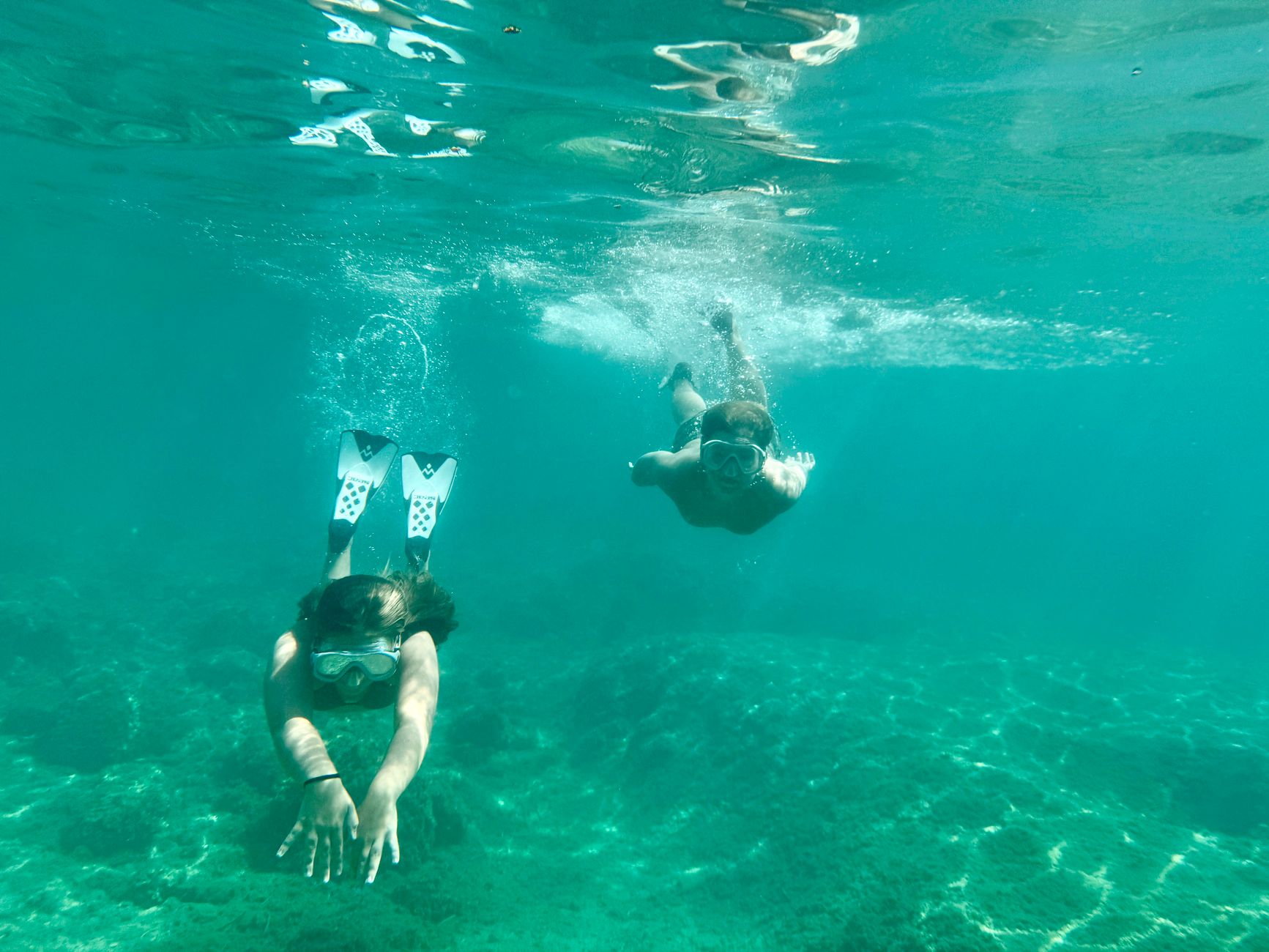
Capturing vivid photos and smooth 4K video of wild sea turtles requires an understanding of how seawater alters light. Unlike terrestrial photography, where light travels unimpeded through the atmosphere, water is roughly 800 times denser than air, acting as a massive optical filter that rapidly absorbs light wavelengths, scatters contrast, and magnifies subjects.
                LIGHT SPECTRUM ABSORPTION IN SEAWATER
═════════════════════════════════════════════════════════════════════
  Depth 0.0m – 3.0m  ──► Red wavelengths absorb (Warm skin tones fade)
  Depth 3.0m – 7.0m  ──► Orange & amber wavelengths disappear
  Depth 7.0m – 15.0m ──► Yellow & green wavelengths degrade
  Depth 15.0m+       ──► Monochromatic blue-cyan dominance
═════════════════════════════════════════════════════════════════════
  SOLUTION: Red Snorkel Filter OR Manual White Balance + Raw Grading
═════════════════════════════════════════════════════════════════════
1. Selective Wavelength Absorption
As sunlight penetrates the ocean surface, water molecules selectively absorb the longest wavelengths of the visible spectrum first. Within the first 3 to 5 meters of depth—the exact zone where snorkelers observe grazing Green and Hawksbill turtles —red and warm amber wavelengths are largely filtered out. Without color correction, photos appear dull, flat, and monochromatic blue-green.
2. Refraction and Flat Port Distortion
When an action camera is sealed inside a standard flat-glass waterproof housing, light rays bend as they pass from dense seawater into the air cavity inside the housing. This refraction causes a 33% apparent magnification and reduces your camera’s wide-angle field of view by roughly 25%.
A turtle that appears comfortably framed on your screen is physically closer than it seems, while distant reef details are cropped out of the frame. Always adhere to the 3-meter standoff rule without crowding the animal.
5 Essential Camera Accessories for Turtle Snorkeling
                     ESSENTIAL ACTION CAMERA SETUP
  ┌─────────────────────────────────────────────────────────────┐
  │ 1. 6-Inch Optical Dome Port (50/50 Over-Under Split Shots)  │
  │ 2. High-Buoyancy Floaty Grip with Heavy-Duty Wrist Lanyard  │
  │ 3. Shallow-Water Snorkel Red / Magenta Optical Filter       │
  │ 4. Rigid Carbon-Fiber Extension Handle (Max 30cm length)    │
  │ 5. Internal Silica Gel Anti-Fog Desiccant Inserts           │
  └─────────────────────────────────────────────────────────────┘
1. 6-Inch Acrylic Dome Port (Over-Under Split Shots)
A dedicated dome port is the single most transformative accessory for action camera photography. By pushing the water line away from the camera lens, the curved optical dome corrects underwater refraction:
- Restores the camera’s full 150° to 170° ultra-wide field of view.
- Eliminates edge distortion and chromatic aberration.
- Enables iconic 50/50 over-under split shots: capturing the sea turtle grazing on seagrass in sanctuaries like Akumal Bay or Abu Dabbab below the waterline while showcasing tropical beaches or cliffs above the surface in a single frame.
2. High-Buoyancy Floaty Grip with Wrist Lanyard
Action cameras with waterproof housings are negatively buoyant. If you drop your camera in deep channel currents or turbulent surf, it will sink rapidly to the seafloor. A textured floaty grip with a bright orange or neon yellow end cap ensures your camera immediately floats back to the surface. Always keep the adjustable wrist lanyard fastened securely around your wrist while in the water.
3. Shallow-Water Snorkel Red Filter
In clear tropical waters between 1.5 and 6 meters deep, a physical red or magenta optical filter snaps over the camera lens. The filter selectively blocks excess blue and cyan light, restoring natural reddish-brown tones to turtle shells, vibrant pinks to coral heads, and true color balance to skin tones without needing artificial lighting.
4. Rigid Short Extension Handle (Max 30cm)
A short, rigid handle held with both hands provides steady mechanical stabilization, smoothing out wave chop and body sway during video recording.
- Conservation Rule: Avoid long telescoping selfie sticks that extend 1 to 2 meters. Long poles encourage swimmers to invade wildlife distance buffers, stress feeding animals, and violate marine park regulations.
5. Hydrophobic Anti-Water Drop Coatings
When taking 50/50 split shots, water droplets clinging to the outer acrylic dome can blur the sky half of your shot. Applying a specialized hydrophobic marine solution—or using the simple method of licking the dry dome and rinsing it once right before shooting—causes water to sheet off evenly, leaving the outer dome clear.
2026 Recommended Camera Settings for Wild Turtle Footage
To capture sharp stills and smooth 4K slow-motion video with cameras like the GoPro HERO12/11, DJI Osmo Action 4, or Insta360 Ace Pro, configure these baseline settings before getting in the water:
| Camera Setting | Recommended Baseline | Rationale |
|---|---|---|
| Video Resolution | 4K (or 5.3K) at 60 fps | High resolution allows cropping; 60 fps enables smooth 50% slow motion |
| Framing Field of View | Wide (or Linear + Horizon Lock) | Wide-angle stabilizes motion; Horizon Lock keeps videos level in rolling surf |
| Shutter Speed | Auto (Min 1/240s) | Fast shutter freezes rapid flipper strokes without motion blur |
| White Balance | Native or Custom (5000K–5500K) | Prevents color temperature shifts as you bob in and out of the surface |
| Color Profile | Flat / Log (for post-grading) | Preserves highlight dynamic range in bright, sunlit tropical shallows |
| Bitrate | High (100 Mbps+) | Captures fine details of sand ripples and turtle shell patterns |
The Zero-Harassment Wildlife Photography Code
       ETHICAL WILDLIFE PHOTOGRAPHY DIRECTIVES
┌─────────────────────────────────────────────────────────────┐
│ ❌ Zero Underwater Strobe Flashes or High-Intensity Torches │
│ ❌ Never Thrust Camera Poles into Caves or Under Ledges     │
│ ❌ Never Block a Turtle's 180° Vertical Surfacing Path       │
│ ✅ Frame Parallel to the Animal's Trajectory (Side Angle)   │
│ ✅ Utilize Natural Morning Sunlight (07:30 AM – 10:30 AM)   │
└─────────────────────────────────────────────────────────────┘
1. Frame from the Side (Parallel Trajectory)
The most compelling wildlife portraits are captured by positioning yourself parallel to the turtle’s swimming path rather than approaching head-on. Swimming alongside at a respectful 3-meter distance allows you to frame the animal’s full profile, eye contact, and hydrodynamic flipper motion in natural ambient light.
2. Clear Surfacing Corridor
Sea turtles are air-breathing reptiles that must ascend to the surface to breathe. If an animal begins its diagonal ascent, lower your camera rig, stop swimming, and gently back away. Never hover directly above a turtle to get a “top-down” shell photo.
Preventing Housing Fog: The Silica Gel Protocol
When an action camera operates continuously at 4K/60fps, its internal battery and processor generate substantial heat. When you submerge the warm camera into cooler ocean water, the air trapped inside the waterproof housing rapidly cools, causing humidity to condense as fog on the inside of the camera lens.
                  HOUSING ANTI-FOG PROTOCOL
  ┌─────────────────────────────────────────────────────────────┐
  │ 1. Assemble and seal camera inside an air-conditioned room  │
  │ 2. Insert 2 to 3 slim silica gel desiccant strips inside     │
  │ 3. Never open the waterproof housing on a humid beach/boat  │
  │ 4. Keep sealed camera out of direct baking sunlight on deck │
  └─────────────────────────────────────────────────────────────┘
Pair your camera kit with a fog-free tempered glass mask , a UPF 50+ rashguard , and non-nano mineral sunscreen for an ethical, high-performance snorkeling expedition.