


11
Audited Sanctuaries
Indonesia, Philippines, Thailand, Japan
5
Resident Species
Green, Hawksbill, Olive Ridley, Leatherback
27-30°C
Water Temperature
Ultra-warm equatorial waters
98%
Sighting Rate
Gili Meno & Apo Island
Regional Overview & Marine Geography
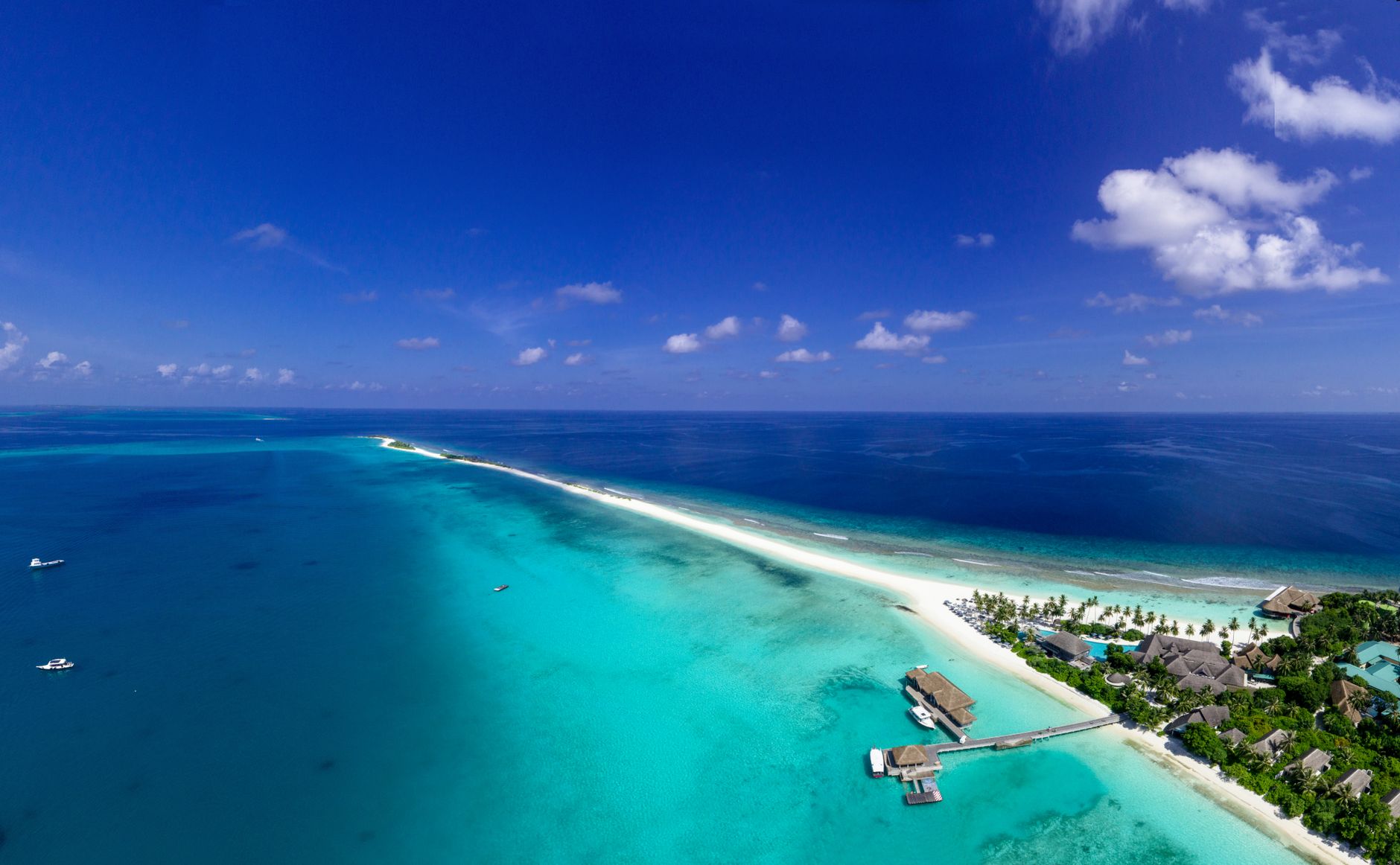
The Indo-Pacific Coral Triangle represents the global epicenter of marine biodiversity, tracked globally by the State of the World’s Sea Turtles (SWOT) and Sea Turtle Conservancy of marine biodiversity. Nutrient-rich equatorial currents sustain vast coral reef networks, volcanic drop-offs, and thriving populations of Green Sea Turtles (Chelonia mydas) and critically endangered Hawksbills (Eretmochelys imbricata) .
In destinations like Gili Meno and Apo Island , local community marine conservation initiatives have transformed previously depleted coastlines into thriving sanctuaries where turtles graze fearlessly in shallow lagoons.
💡 Current Awareness in Island Channels
Indonesian straits (especially around Komodo, Nusa Penida, and the Gili Islands) experience significant tidal currents. Always wear open-heel fins with boots, consult local dive operators on tide tables, and stick to sheltered bays when swimming without a guide.
Key Geographic Zones in Asia & Indian Ocean
1. Indonesian Archipelago (Gili Islands, Komodo, Bali, Derawan)
- Primary Species: Green Sea Turtles and Hawksbills.
- Top Encounters: Turtle Point (Gili Meno) , Siaba Besar (Komodo) , Nusa Penida Crystal Bay, and Derawan Islands .
- Access: Gili Meno offers direct beach walk-ins; Komodo and Derawan require liveaboard or speed boat day excursions.
2. The Philippines (Visayas & Palawan)
- Primary Species: Green and Hawksbill turtles.
- Top Encounters: Apo Island (Negros Oriental), Balicasag Island Marine Sanctuary (Bohol), and El Nido .
- Access: Outrigger motorized banca day boats departing from coastal hubs.
3. Thailand (Gulf of Thailand & Andaman Sea)
- Primary Species: Green, Hawksbill, and Olive Ridley .
- Top Encounters: Shark Bay (Koh Tao) , Similan Islands , and Koh Nang Yuan.
- Access: Speedboat charters from Koh Samui or liveaboards from Khao Lak.
4. East Asia (Taiwan & Japan)
- Primary Species: Green Sea Turtles.
- Top Encounters: Xiao Liuqiu Coral Island , Kerama Islands National Park (Okinawa, Japan), and Miyako Island (Japan).
- Access: Xiao Liuqiu and Miyako offer walk-in shore snorkeling with high turtle densities.
Frequently Asked Questions
What is the best month to visit the Gili Islands and Komodo?
May through September
is the dry season with sunny skies, calm sea conditions, and water visibility reaching up to 30 meters.
Is Apo Island suitable for non-swimmers?
Yes, the turtle feeding area at Apo Island Beach is very shallow (1 to 3 meters), and certified community guides provide lifejackets and guide you directly to resting turtles.