Biological Profile & Identification
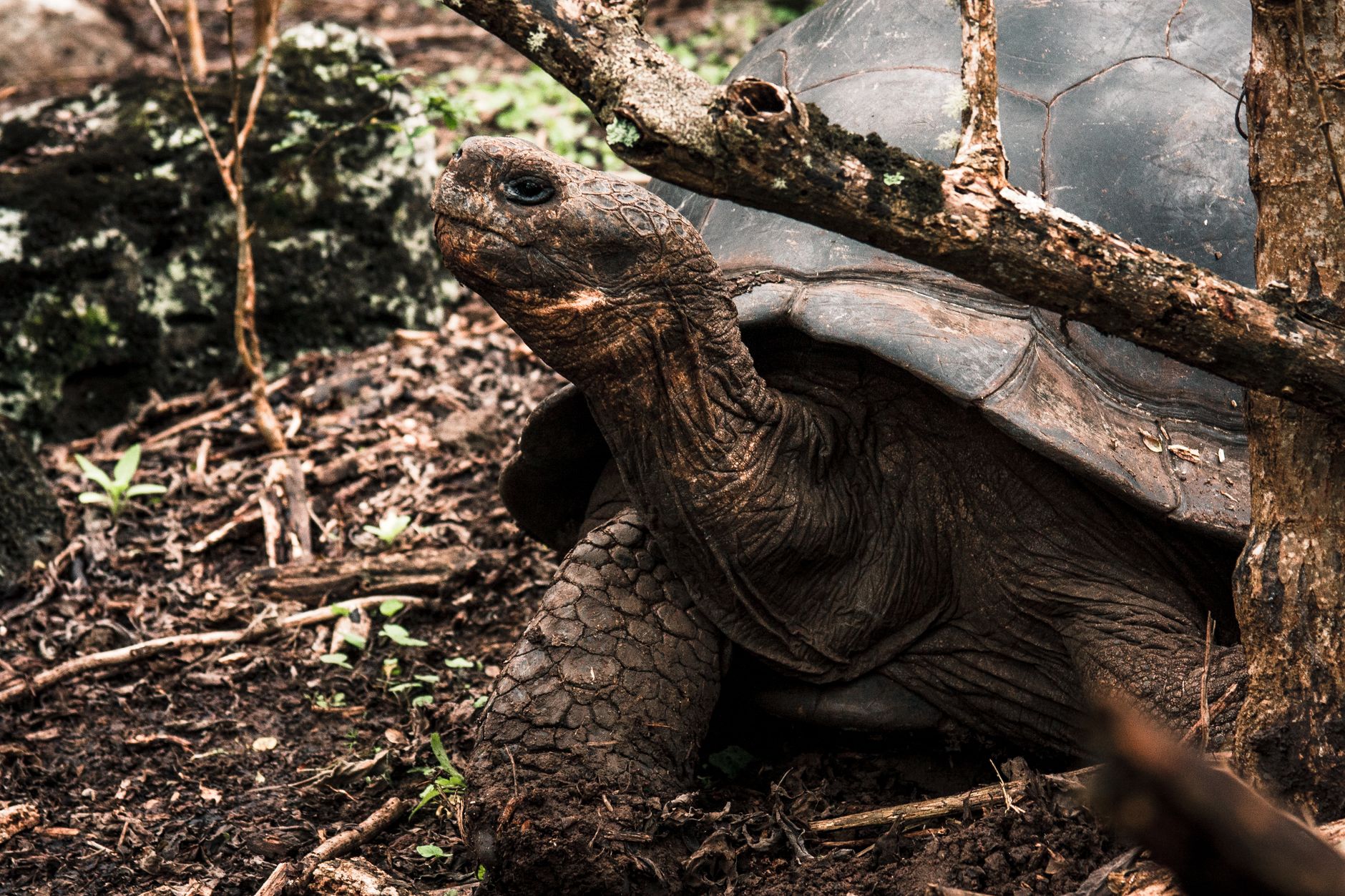
The Green Sea Turtle (Chelonia mydas) is the largest hard-shelled marine turtle on Earth and the species most frequently encountered by snorkelers in shallow tropical waters. Despite its common name, the carapace (upper shell) is not bright green. The shell displays a radiating pattern of olive, amber, dark chocolate, and golden brown tones. The common name derives from the emerald-green color of its subdermal fat tissue, which turns green because of the turtle’s specialized adult diet of seagrasses and marine algae.
       GREEN SEA TURTLE (Chelonia mydas) ANATOMICAL MARKERS
═════════════════════════════════════════════════════════════════════
  [ Head ]       ──► Single pair of elongated prefrontal scales
  [ Carapace ]   ──► 4 lateral (costal) scutes per side, smooth margins
  [ Jaw ]        ──► Finely serrated lower tomia (underwater shears)
  [ Flippers ]   ──► Single visible claw on each front paddle
═════════════════════════════════════════════════════════════════════
Anatomical Characteristics
Identifying a Green turtle in the water requires checking four physical markers:
- Prefrontal Scale Configuration: Look directly between the eyes. Green sea turtles have a single pair of elongated prefrontal scales. In contrast, Hawksbill, Loggerhead, and Olive Ridley turtles have two pairs.
- Carapace Scute Arrangement: The carapace has four pairs of lateral (costal) scutes that sit edge-to-edge in a smooth, contiguous contour. The rear margin of the carapace is smooth or very gently scalloped in adults, lacking the sharp serrations seen in Hawksbills.
- Serrated Beak & Lower Jaw: The lower jaw has fine, vertical serrations (tomia) designed to shear seagrass blades cleanly near the sediment line without tearing the subterranean root rhizomes.
- Single Foreflipper Claw: Adults possess one visible keratinized claw along the leading edge of each front flipper, used by males to hold the female’s carapace during mating and by both sexes for stabilization on sandy bottoms.
Adult Size, Weight, and Growth Rates
Adult Green sea turtles measure between 90 and 120 centimeters in straight carapace length (SCL) and weigh between 130 and 230 kilograms. Exceptional specimens recorded in protected feeding grounds such as the Red Sea and the Galapagos have exceeded 250 kilograms.
Growth in wild populations is slow. Hatchlings measure roughly 5 centimeters at emergence. Depending on water temperature and food availability, juveniles take between 20 and 40 years to reach sexual maturity. This extended maturation timeline makes populations sensitive to adult mortality from commercial fishing gear and coastal habitat degradation.
Feeding Ecology & Seagrass Pasture Management
Adult Green sea turtles are the only strictly herbivorous marine turtles. While post-hatchlings spend their initial pelagic years drifting on open-ocean currents feeding opportunistically on jellyfish, salps, and small crustaceans, they undergo an ontogenetic dietary shift upon reaching a carapace length of roughly 25 to 30 centimeters. At this stage, juveniles recruit to coastal lagoons, bays, and reef flats to transition to an almost exclusively vegetarian diet.
                     THE SEAGRASS GRAZING CYCLE
  ┌─────────────────────────────────────────────────────────────┐
  │ 1. Turtle crops top 60% of grass blade with serrated jaw   │
  │ 2. Subterranean rhizome mat remains intact in sand          │
  │ 3. Plant puts energy into tender, high-protein young shoots │
  │ 4. Repeated grazing prevents suffocating algal epiphyte mats│
  │ 5. Healthy meadow sequesters blue carbon & supports fish   │
  └─────────────────────────────────────────────────────────────┘
Primary Target Species
In the Atlantic and Caribbean basins, Green turtles graze primarily on Turtle Grass (Thalassia testudinum) and Manatee Grass (Syringodium filiforme). In the Indo-Pacific and Red Sea, their diet centers on Halodule uninervis, Halophila ovalis, and various red and green macroalgae (Ulva, Caulerpa, Hypnea).
By cropping the older, epiphyte-laden upper portions of seagrass blades, Green turtles stimulate rapid nitrogen recycling and new shoot production. The new growth contains higher protein concentrations and lower cellulose levels, which is easier for the turtle’s specialized hindgut fermentation system to digest. Grazed seagrass meadows support higher juvenile fish diversity than untended, senescent meadows.
Geographic Distribution & Global Range
Green sea turtles inhabit tropical and subtropical waters worldwide, spanning the Atlantic, Pacific, and Indian Oceans, as well as the Mediterranean Sea. Their primary range falls between the 20°C ocean isotherms, though seasonal feeding excursions carry sub-adults and adults into warm temperate bays during summer months.
       GLOBAL RANGE & POPULATION HUBS
┌────────────────────────┬─────────────────────────────────────────────────┐
│ Ocean Basin            │ Core Foraging & Nesting Sanctuaries             │
├────────────────────────┼─────────────────────────────────────────────────┤
│ Caribbean & Americas   │ Akumal Bay, Tortuguero, Florida, St. Thomas     │
│ Indo-Pacific           │ Ningaloo Reef, Great Barrier Reef, Apo Island   │
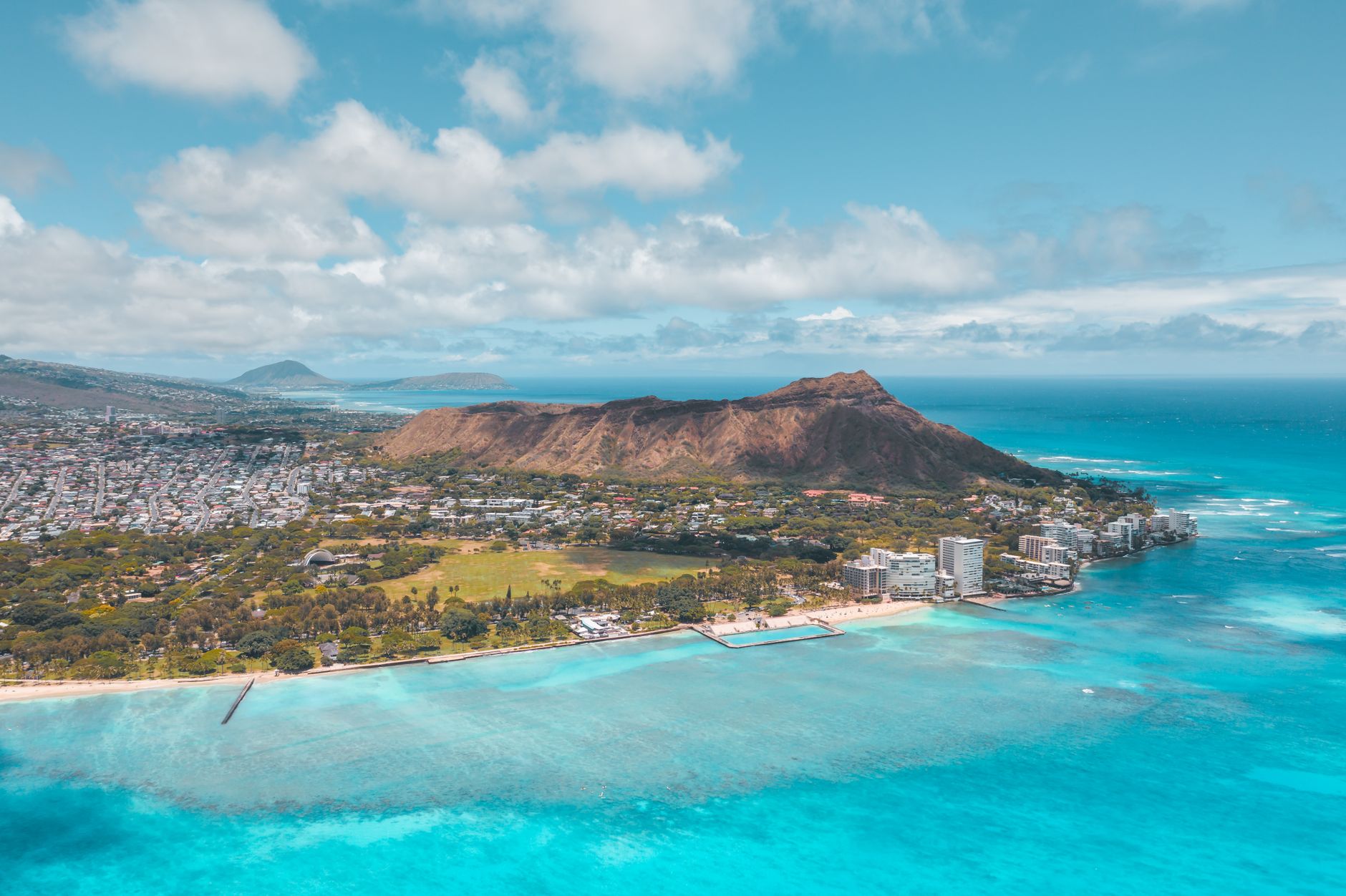
│ Central Pacific        │ Oahu (Turtle Canyon), Maui (Turtle Town)        │
│ Indian Ocean & Red Sea │ Abu Dabbab (Egypt), Daymaniyat, Gili Meno       │
│ Mediterranean          │ Lara Bay (Cyprus), Dalyan (Turkey), Zakynthos   │
└────────────────────────┴─────────────────────────────────────────────────┘
Regional genetic stocks (management units) remain distinct. The Hawaiian green turtle population, locally called Honu, is genetically isolated from Indo-Pacific stocks and exhibits unique basking behaviors, hauling out directly onto sunny volcanic beaches on Oahu, Maui, and Kauai.
Reproductive Biology & Life Cycle
Mating Aggregations & Oceanic Migration
Female Green turtles do not nest every year. Every 2 to 4 years, adult females migrate from their coastal feeding pastures to ancestral nesting grounds, covering distances between 1,000 and 3,000 kilometers. Navigational cues include geomagnetic orientation, chemical olfaction, and celestial alignment.
Mating takes place in shallow waters offshore from the nesting beach over several weeks. A female may mate with multiple males, storing viable sperm in specialized oviductal glands to fertilize successive clutches laid throughout the season.
  Hatchling Emergence (5 cm) ──► Pelagic Lost Years (Open Ocean Drift)
              ▲                                 │
              │                                 ▼
  Coastal Nesting (100-120 eggs) ◄── Coastal Foraging Pasture (20-40 yrs to mature)
Nesting Dynamics & Temperature-Dependent Sex Determination
Females haul out onto nesting beaches at night, riding high tides to minimize crawl distance. Using their rear flippers as precision scoops, they excavate a flask-shaped egg chamber 50 to 70 centimeters deep in the dune sand.
Each clutch contains between 100 and 130 spherical, leathery eggs. A single female deposits 3 to 6 clutches per season at two-week intervals before beginning the long return migration to her feeding pastures.
Incubation takes roughly 50 to 60 days. The sex of the hatchlings is determined by the temperature of the sand during the middle third of incubation (Temperature-Dependent Sex Determination or TSD):
- Pivotal Temperature: Around 29.2°C produces a 50/50 male-female ratio.
- Warm Sand (> 31.0°C): Produces 100% female hatchlings.
- Cool Sand (< 27.5°C): Produces 100% male hatchlings.
Rising global sand temperatures in key nesting rookeries like Raine Island on the northern Great Barrier Reef have created severe sex-ratio skews, with female hatchlings exceeding 99% in recent cohorts.
Conservation Status & Environmental Threats
Tracked globally by the State of the World’s Sea Turtles (SWOT) and Sea Turtle Conservancy , the IUCN classifies Chelonia mydas as Endangered globally, though regional sub-populations face varying degrees of risk:
  PRIMARY ANTHROPOGENIC THREATS
  ═══════════════════════════════════════════════════════════════════
  1. Commercial Bycatch       ──► Pelagic longlines & coastal gillnets
  2. Coastal Development      ──► Artificial light disorienting hatchlings
  3. Marine Plastic Debris    ──► Ingestion mistaking bags for algae/salps
  4. Fibropapillomatosis (FP) ──► Viral tumor disease linked to runoff
  5. Boat Strikes             ──► Speedboats in shallow feeding bays
  ═══════════════════════════════════════════════════════════════════
Bycatch in Commercial Fisheries
Longline hooks, trawl nets lacking Turtle Excluder Devices (TEDs), and abandoned monofilament gillnets drown thousands of adult Green turtles annually. Because turtles must surface to breathe, entanglement causes rapid asphyxiation.
Coastal Lighting & Sand Compaction
Artificial lighting from hotels and beachfront roads disorients hatchlings emerging after dark. Instead of orienting toward the bright, natural horizon of the open ocean, hatchlings crawl inland toward roadways and swimming pools where they die of dehydration or predation.
Fibropapillomatosis (FP)
Green turtles are uniquely susceptible to fibropapillomatosis, a tumor-forming disease caused by a chelonid herpesvirus (ChHV5). The debilitating tumors grow around the eyes, flippers, mouth, and internal organs, impairing swimming and vision. FP prevalence spikes in coastal areas with high agricultural fertilizer runoff and sewage discharge.
Top Audited Snorkeling Sanctuaries for Green Turtles
If you want to observe wild Green sea turtles grazing peacefully in crystal-clear water, these vetted global destinations offer consistent sightings:
- Akumal Bay, Mexico : A shallow, reef-protected Caribbean lagoon where dozens of resident juvenile and adult Green turtles graze on Thalassia beds in 2 to 3 meters of water.
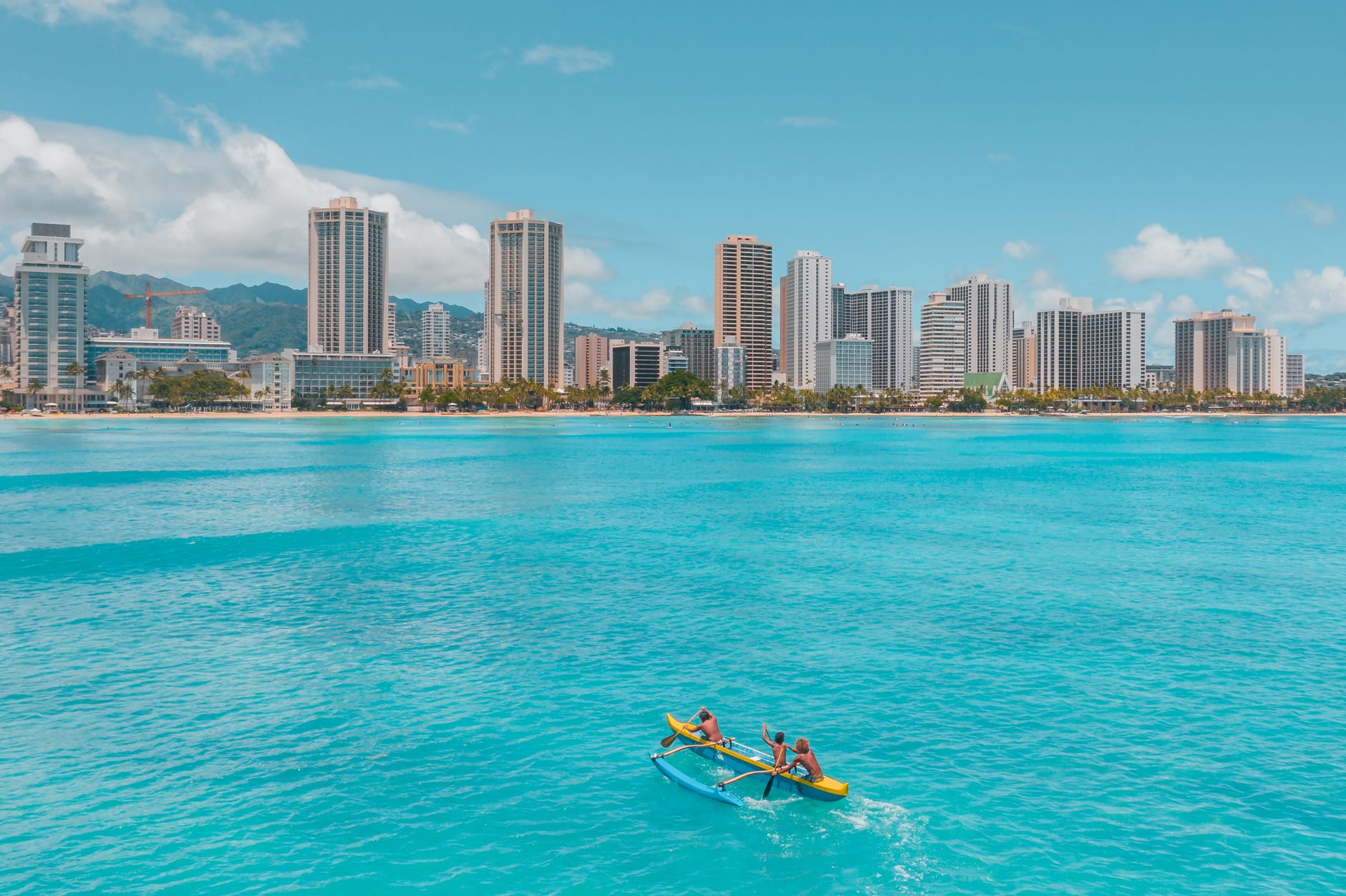
- Turtle Canyon (Oahu, Hawaii) : A natural underwater cleaning station 1 kilometer off Waikiki where surgeonfish and wrasses pick algae and parasites off resident Honu.
- Abu Dabbab Bay, Egypt : A wide Red Sea bay featuring massive Green turtles measuring over 1.3 meters in shell length feeding alongside resident dugongs.
- Lady Elliot Island, Australia : A pristine coral cay on the southern Great Barrier Reef where Green turtles nest on the beaches and graze in the shallow lagoon flats.
- Apo Island, Philippines : A community-protected marine reserve where dozens of wild Green turtles feed within 20 meters of the volcanic pebble shoreline.
Field Protocol for Snorkeling with Green Turtles
       ETHICAL IN-WATER INTERACTION CODE
┌─────────────────────────────────────────────────────────────┐
│ • Maintain a strict 3-meter (10-foot) distance at all times │
│ • Never hover directly above a turtle (keep ascent clear)   │
│ • Float horizontally; do not kick downward into seagrass   │
│ • Use only 100% non-nano zinc sunscreen or a UPF rashguard  │
│ • Never use camera flash or chase a swimming animal        │
└─────────────────────────────────────────────────────────────┘
When entering a seagrass meadow where turtles are grazing, swim gently using slow, fluid scissor kicks. Keep your body parallel to the surface to avoid stirring up sand with your fin tips. If a grazing turtle pauses and begins its slow diagonal ascent toward the surface to breathe, remain stationary or back away smoothly. Never block its path to the air.
For maximum protection against the sun while eliminating toxic chemical runoff into seagrass beds, wear a long-sleeve UPF 50+ rashguard and apply certified reef-safe non-nano zinc sunscreen . Pair your kit with a comfortable low-volume panoramic mask to take in the full underwater vista without fogging.