Global Marine Conditions in September
September is one of the most rewarding shoulder-season months for marine wildlife travel. Across the Northern Hemisphere, summer tourist crowds dissipate while ocean waters retain their accumulated summer warmth (25°C to 28°C). In the Southern Hemisphere, spring brings warming seas and calm weather patterns to Australia and the South Pacific.
                  GLOBAL SEPTEMBER SNORKELING MATRIX
┌────────────────────────┬─────────────┬─────────────┬─────────────────────┐
│ Ocean Basin            │ Water Temp  │ Visibility  │ Seasonal Highlights │
├────────────────────────┼─────────────┼─────────────┼─────────────────────┤
│ Costa Rica (Pacific)   │ 27°C – 29°C │ 10m – 20m   │ Peak Arribadas      │
│ Mediterranean Basin    │ 25°C – 27°C │ 20m – 35m   │ Golden Season Calms │
│ Arabian Sea (Oman)     │ 27°C – 29°C │ 15m – 25m   │ Daymaniyat Clarity  │
│ Western Australia      │ 23°C – 25°C │ 15m – 30m   │ Spring Whale Calms  │
│ Caribbean & Mexico     │ 28°C – 29°C │ 15m – 25m   │ Late Nesting Season │
└────────────────────────┴─────────────┴─────────────┴─────────────────────┘
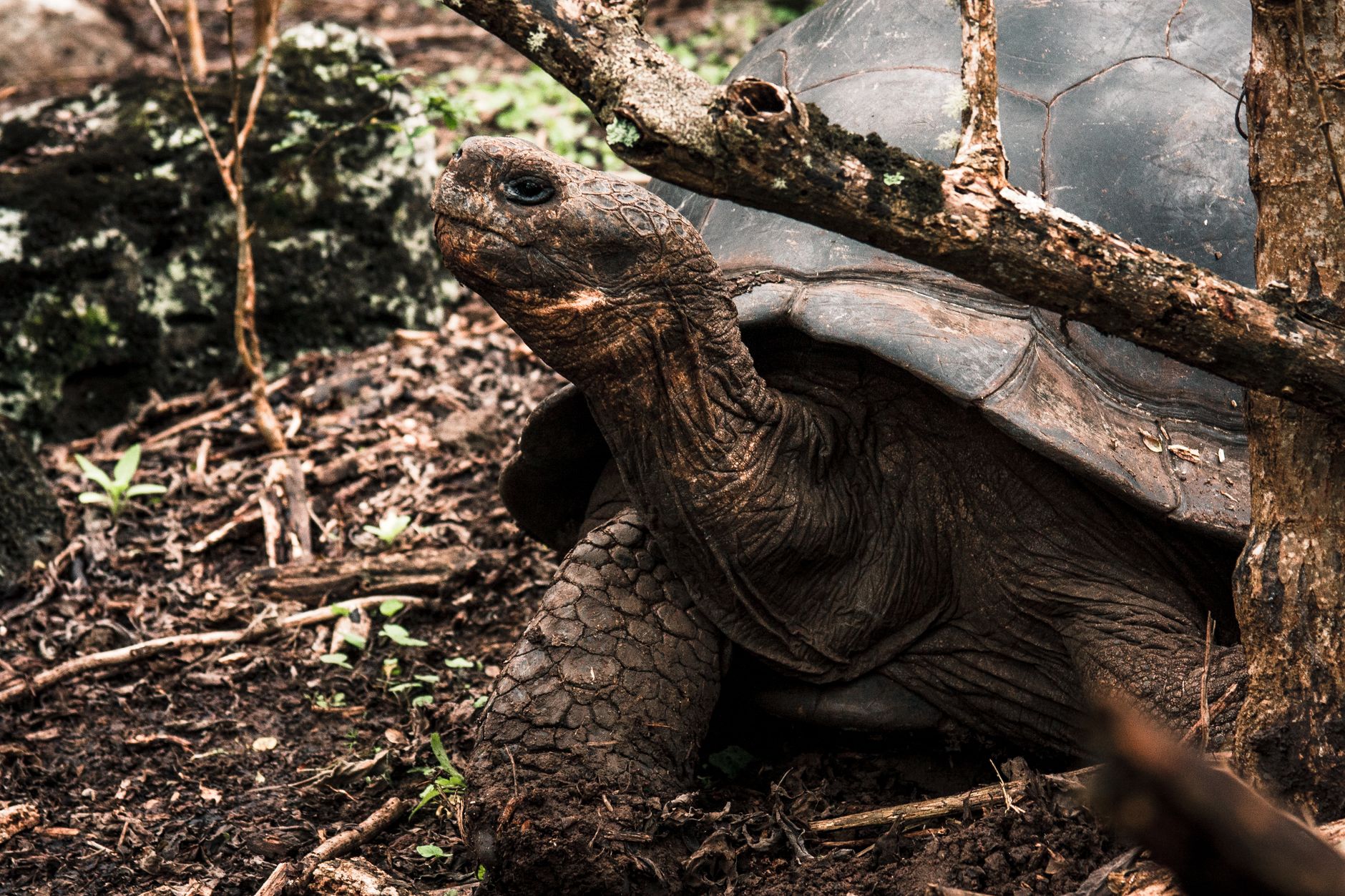
In the Mediterranean Sea, September is known as the “Golden Season.” Air temperatures moderate, water remains warm (25°C–27°C), and late-season Loggerhead and Green turtle hatchlings continue emerging on peaceful, uncrowded beaches.
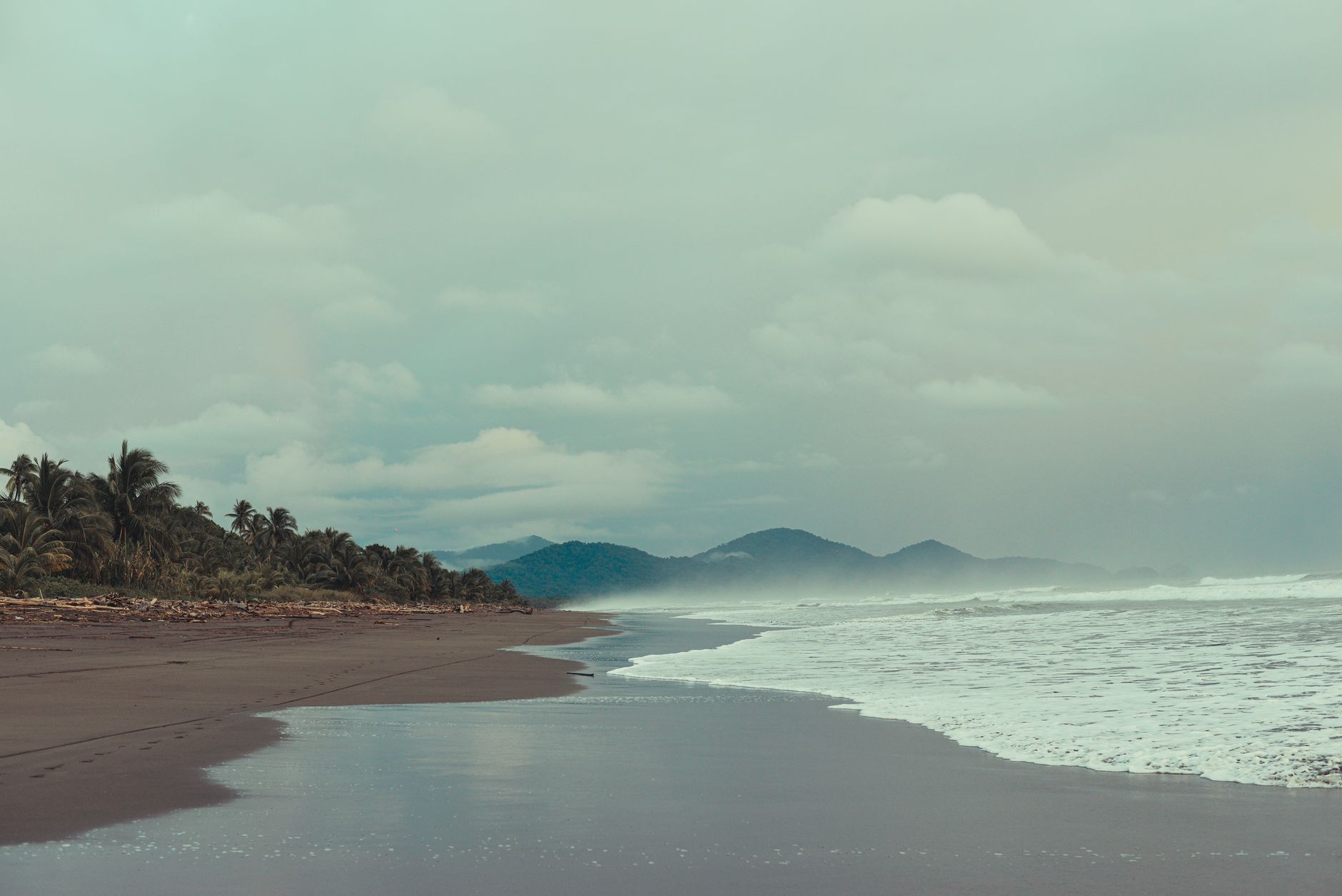
Along Central America’s Pacific coastline, September is the absolute peak of the massive Olive Ridley (Lepidochelys olivacea) arribada season at Ostional.
Key Chelonian Wildlife Phenomena in September
       SEPTEMBER BIOLOGICAL CALENDAR HIGHLIGHTS
═════════════════════════════════════════════════════════════════════
  🐢 Costa Rica (Ostional)       ──► Year's largest Olive Ridley arribadas
  🐢 Mediterranean (Zakynthos)   ──► Warm, uncrowded Loggerhead feeding
  🐢 Oman (Daymaniyat Islands)   ──► Peak Hawksbill density & calm seas
  🐢 Australia (Ningaloo Reef)   ──► Spring Green & Flatback foraging
═════════════════════════════════════════════════════════════════════
1. The Peak Olive Ridley Arribadas at Ostional
September brings the largest arribadas of the entire year to Ostional Wildlife Refuge in Costa Rica. Heavy rainy season swells and dark moon phases trigger massive waves of over 100,000 female Olive Ridleys crawling onto the black volcanic sand over 4 to 6 consecutive nights.
2. The Mediterranean Golden Season
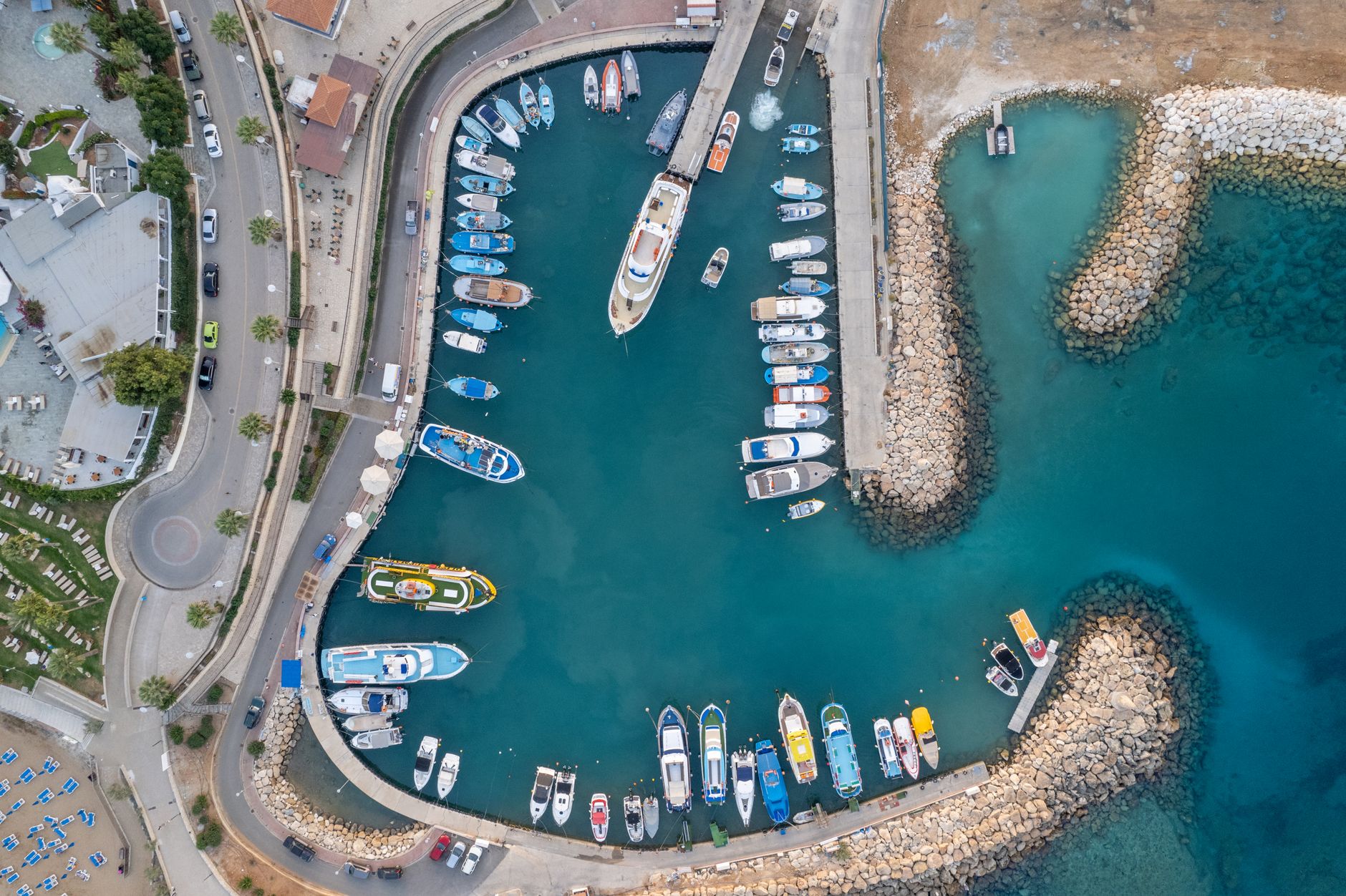
With European school holidays ending, destinations like Zakynthos (Greece), Lara Bay (Cyprus), and Dalyan (Turkey) experience a dramatic drop in tourist numbers. The sea remains warm (26°C), and mature Loggerheads can be observed calmly foraging in shallow bays without the interference of crowded tour boats.
3. Arabian Sea & Daymaniyat Islands Peak
September brings calm seas and crystal-clear water to the Daymaniyat Islands Nature Reserve in Oman. Snorkelers can encounter dozens of resident Hawksbill turtles feeding along coral walls alongside blacktip reef sharks and stingrays.
Top 5 Audited Sanctuaries to Visit in September
  1. Ostional Wildlife Refuge (Guanacaste, Costa Rica) ──► 98% Sighting Rate
  2. Zakynthos - Laganas Bay (Ionian Islands, GR)      ──► 95% Sighting Rate
  3. Daymaniyat Islands (Muscat, Oman)                 ──► 95% Sighting Rate
  4. Ningaloo Reef - Coral Bay (Western Australia)     ──► 95% Sighting Rate
  5. Akumal Bay (Riviera Maya, Mexico)                 ──► 95% Sighting Rate
1. Ostional Wildlife Refuge, Costa Rica
September offers the greatest concentration of nesting sea turtles in the world. Guided eco-tours allow visitors to witness the massive arribada spectacle and watch newly emerged hatchlings scramble into the Pacific ocean.
2. Zakynthos (Laganas Bay & Marathonisi), Greece
September provides the best combination of warm water (25°C) and solitude in Zakynthos. Snorkelers can observe resident Loggerheads resting on the seabed in clear, tranquil conditions.
3. Daymaniyat Islands, Oman
This uninhabited nature reserve off Muscat offers 20-meter visibility and calm seas in September, with high concentrations of foraging Hawksbill and Green turtles.
4. Ningaloo Reef (Coral Bay), Australia
Spring brings pleasant weather to the Ningaloo coast. Snorkelers can step off the beach into shallow coral gardens where Green and Flatback turtles feed on algae.
5. Akumal Bay, Mexico
Akumal remains a reliable Caribbean feeding sanctuary in September, with warm 28°C water and active morning Green turtle grazing.
The September Morning Snorkel Routine
                  SEPTEMBER EXPEDITION SCHEDULE
  ┌─────────────────────────────────────────────────────────────┐
  │ 07:15 AM ──► Equipment check & sunscreen application        │
  │ 07:45 AM ──► Arrive at beach access or boat launch staging  │
  │ 08:15 AM ──► WATER ENTRY: Glassy surface, optimal clarity   │
  │ 09:15 AM ──► 60-minute quiet, respectful observation        │
  │ 10:00 AM ──► Exit before midday thermal breezes             │
  └─────────────────────────────────────────────────────────────┘
September brings calm morning water conditions across both the Mediterranean and tropics. Entering the water between 07:45 AM and 09:45 AM provides glassy surfaces and optimal lighting for underwater photography.
Essential Gear & Packing Strategy for September
- Sun & Thermal Defense: Pack a long-sleeve UPF 50+ rashguard and apply certified reef-safe non-nano zinc sunscreen on your face and neck.
- Optical Equipment: A low-volume panoramic silicone mask with tempered glass lenses provides crystal-clear vision across wide reef panoramas.
- Underwater Camera: Bring a 6-inch dome port and floaty handle to capture sharp 4K footage in bright morning ambient light.